
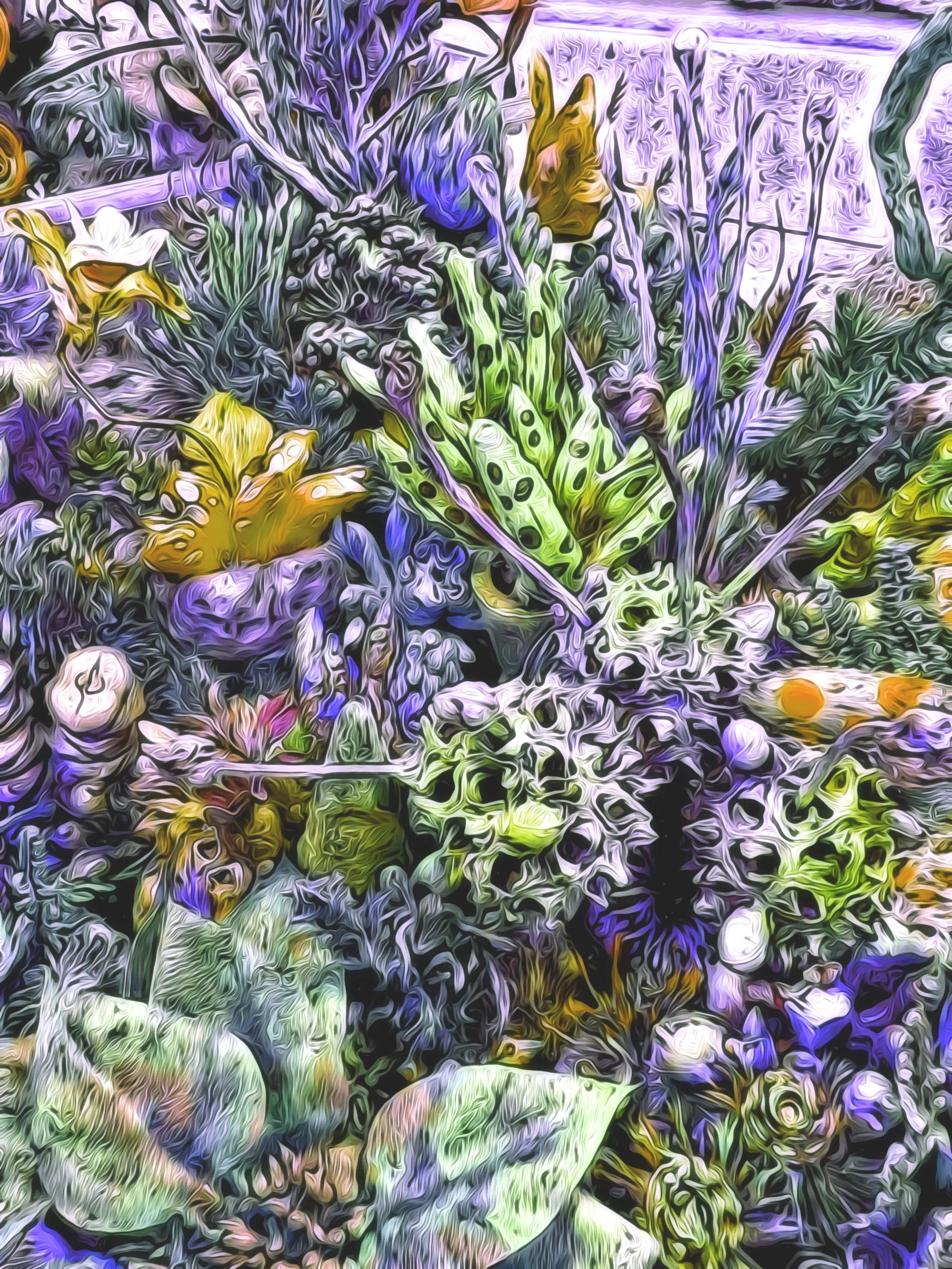
Visions of Nephrajaal
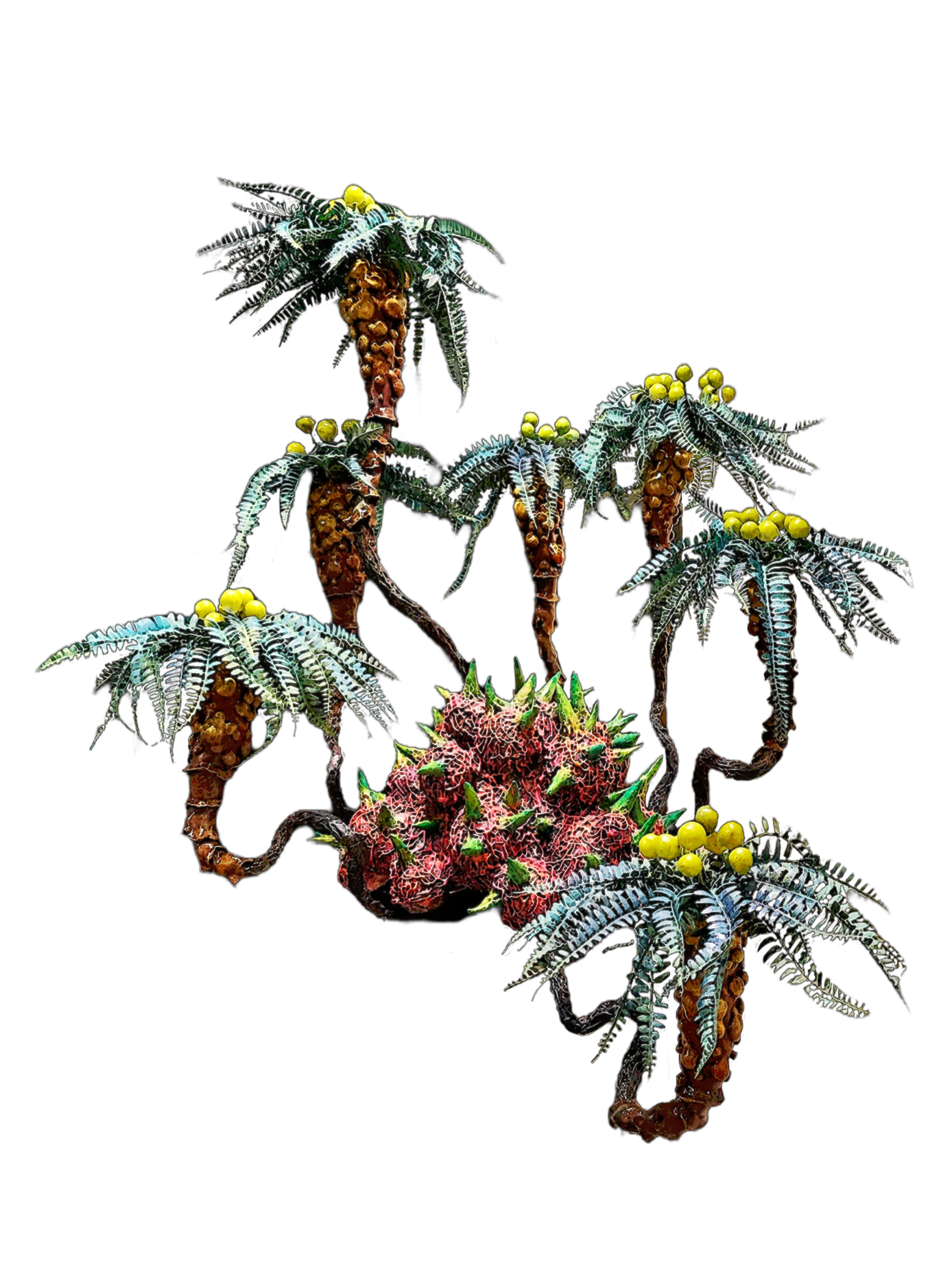
Mace Footed Palm Fern
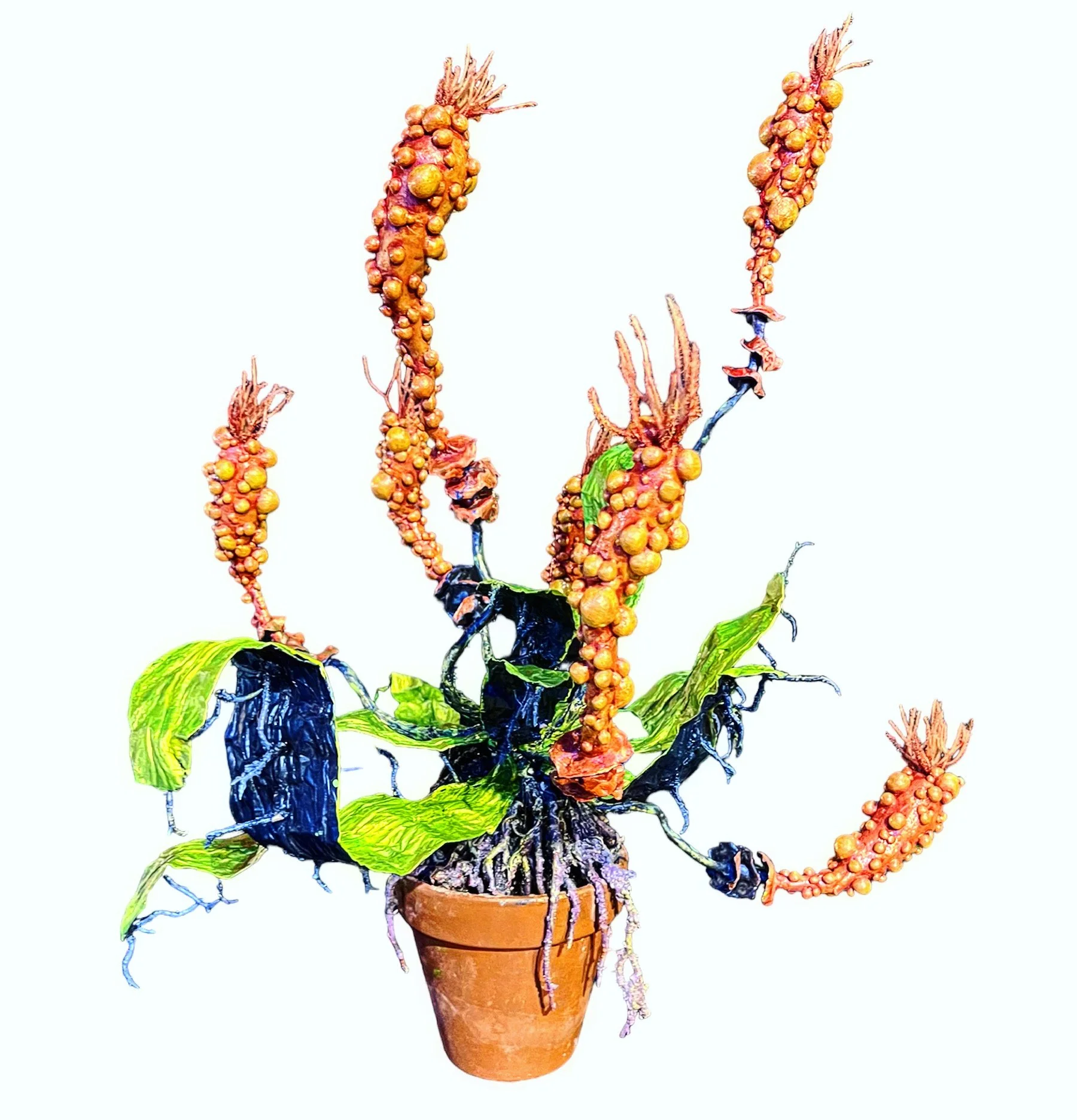
Caulrapenum Bulbosum Clowns Cock
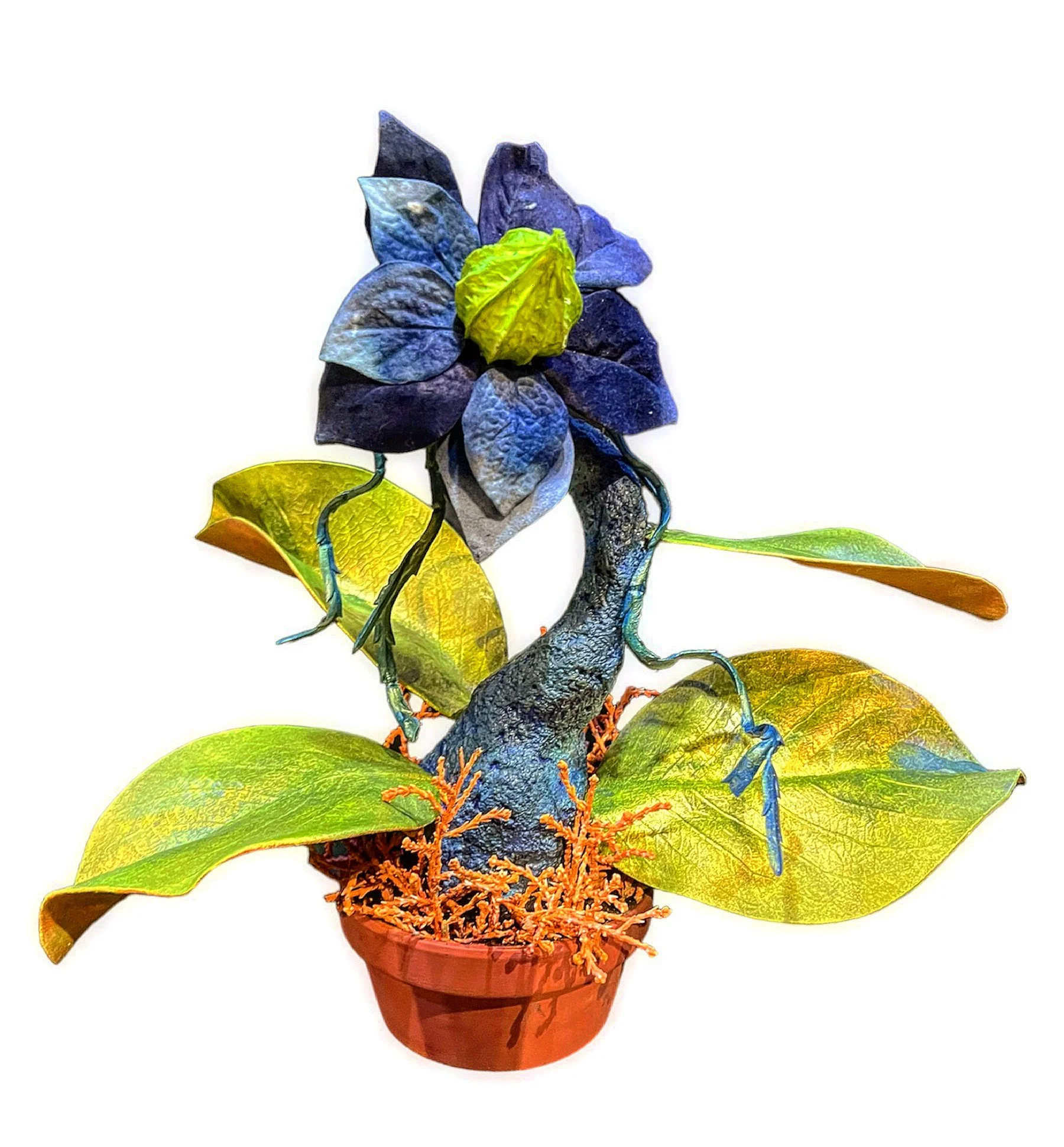
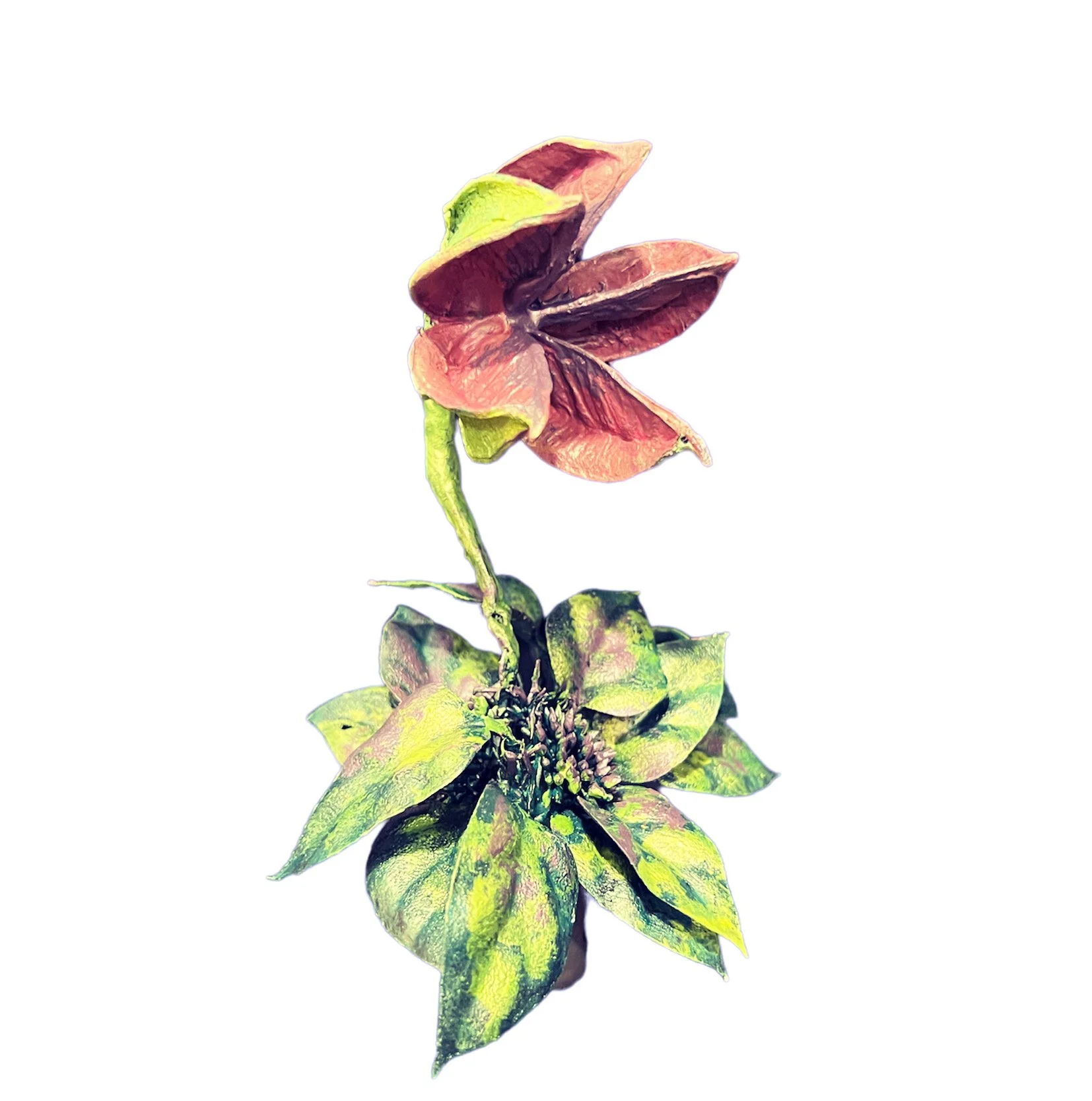
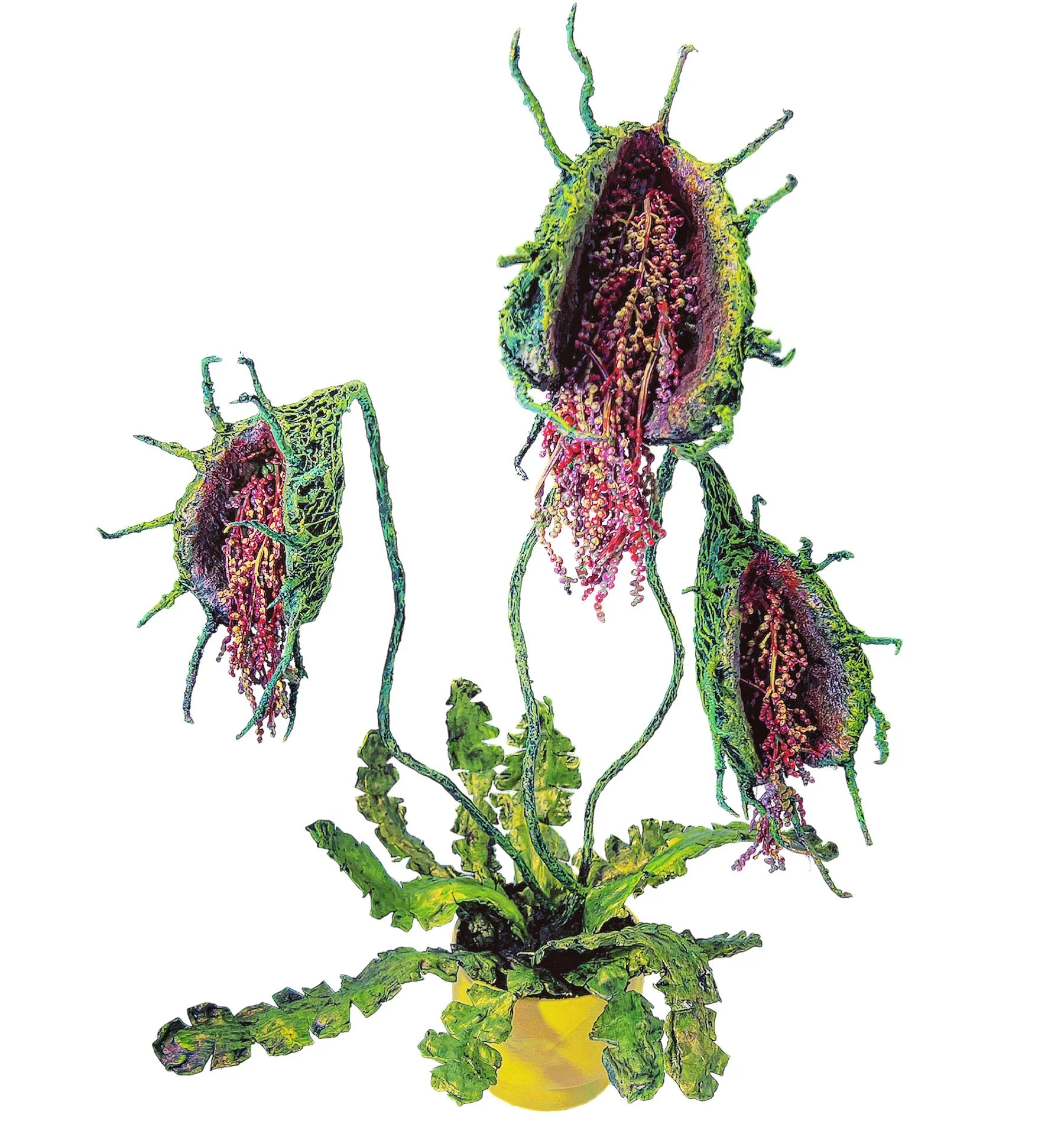
Row Boat Snapper
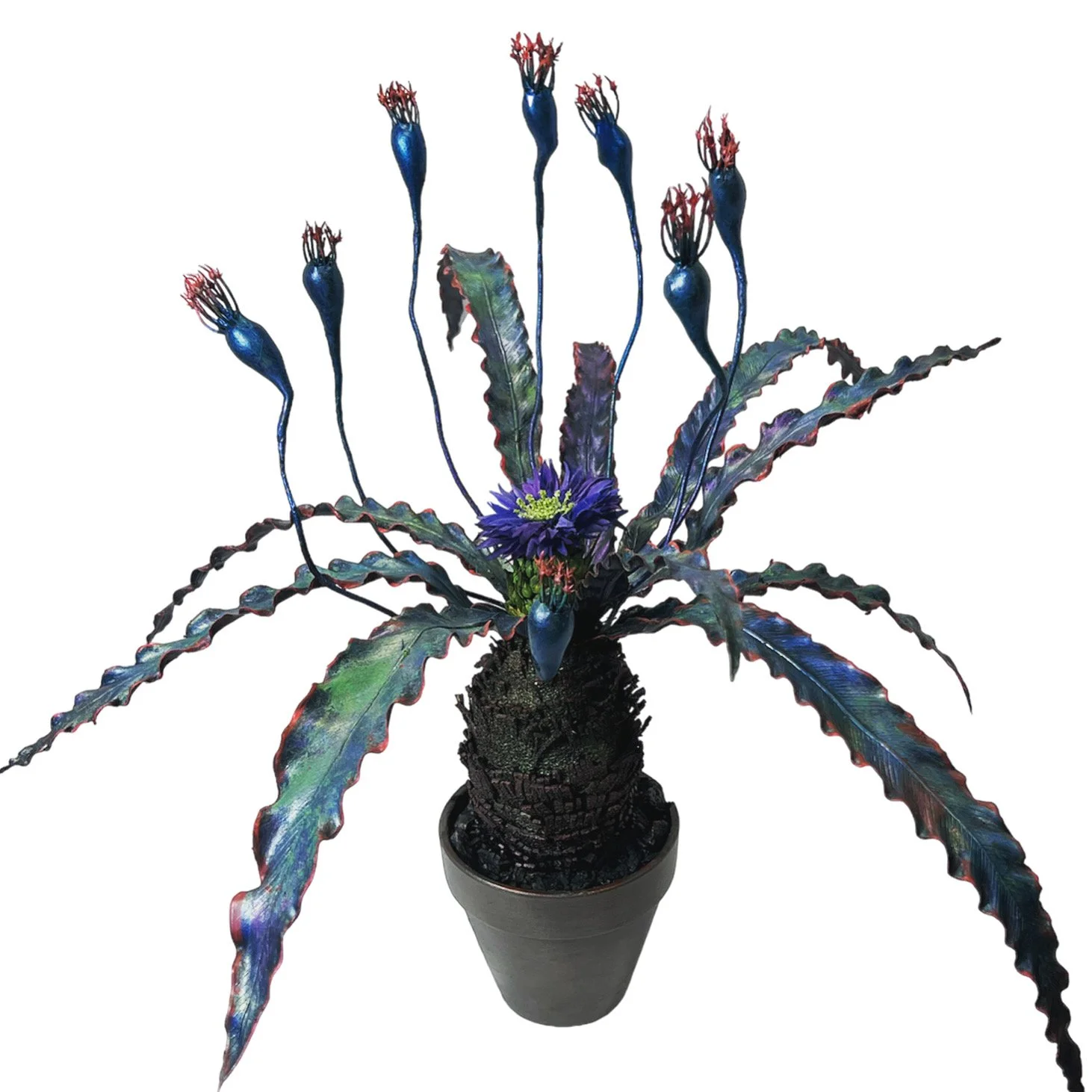
Tendriliad
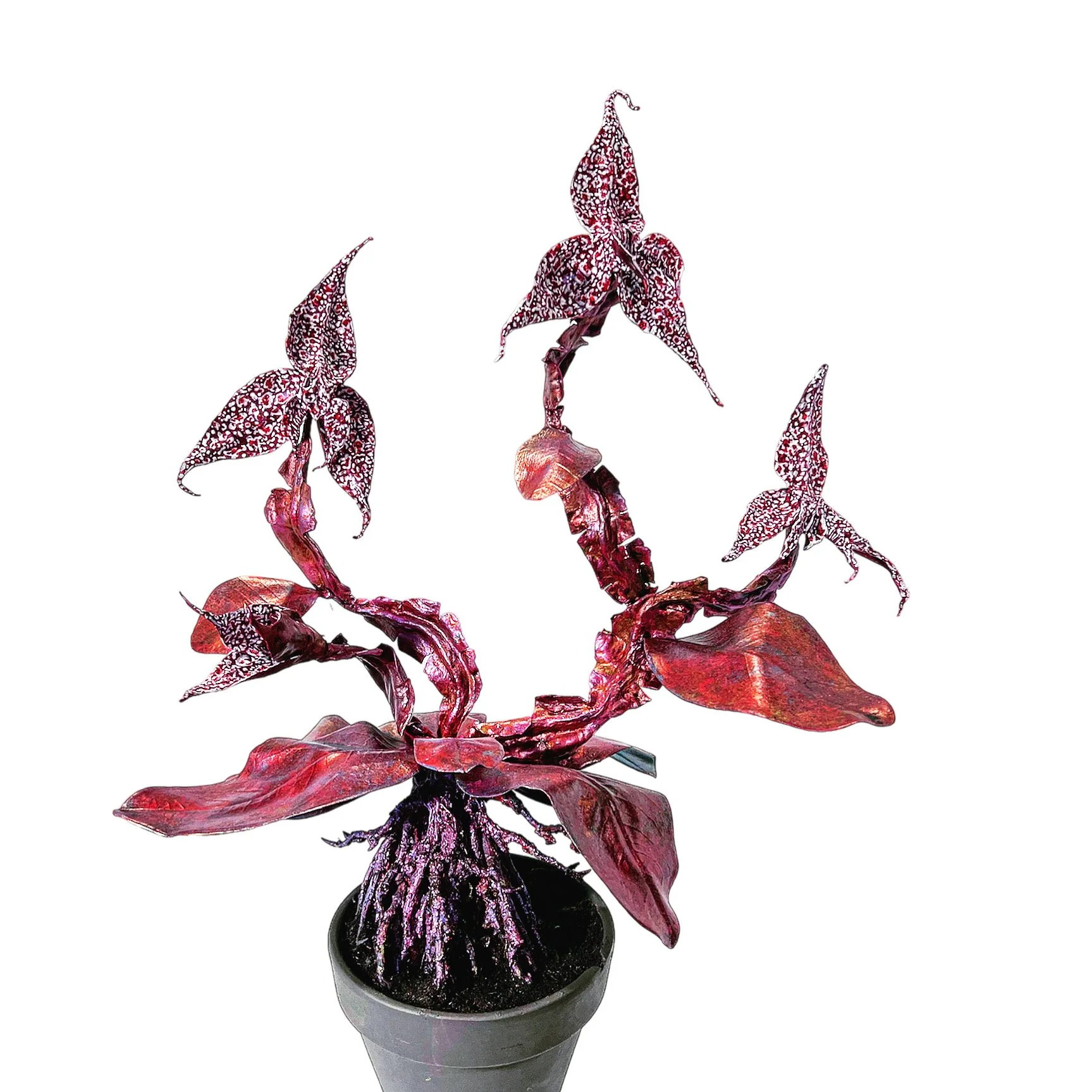
Planarian orchid
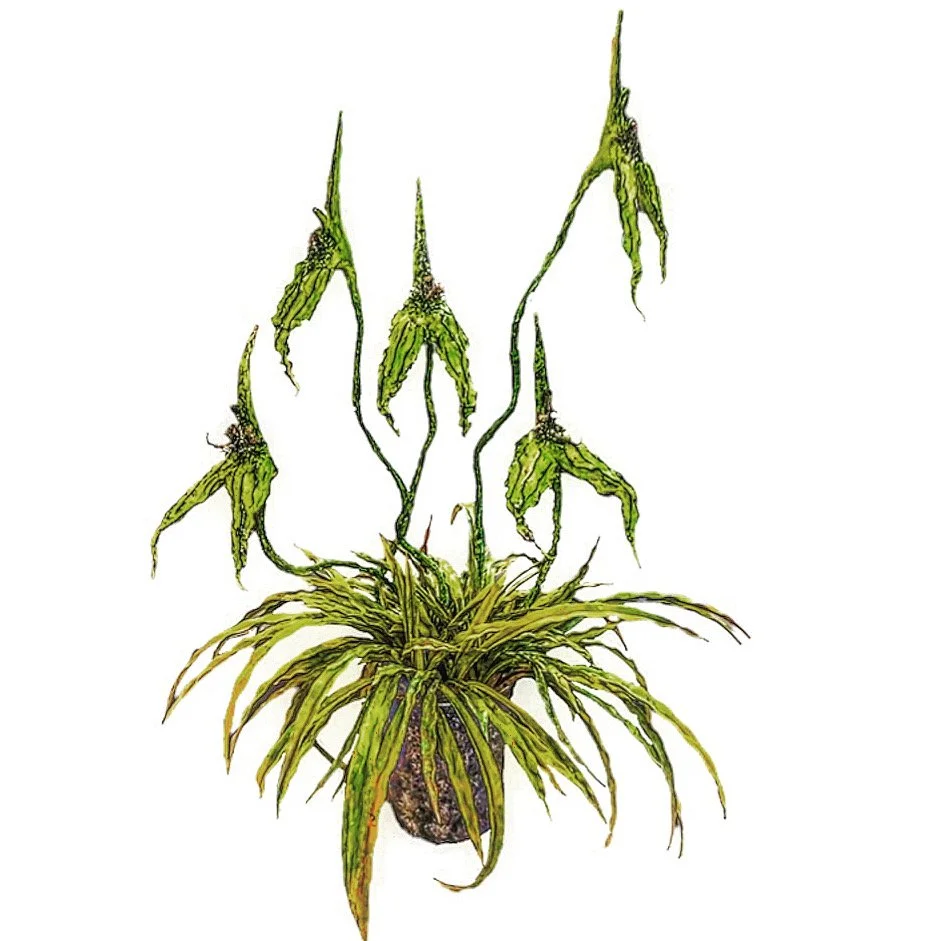
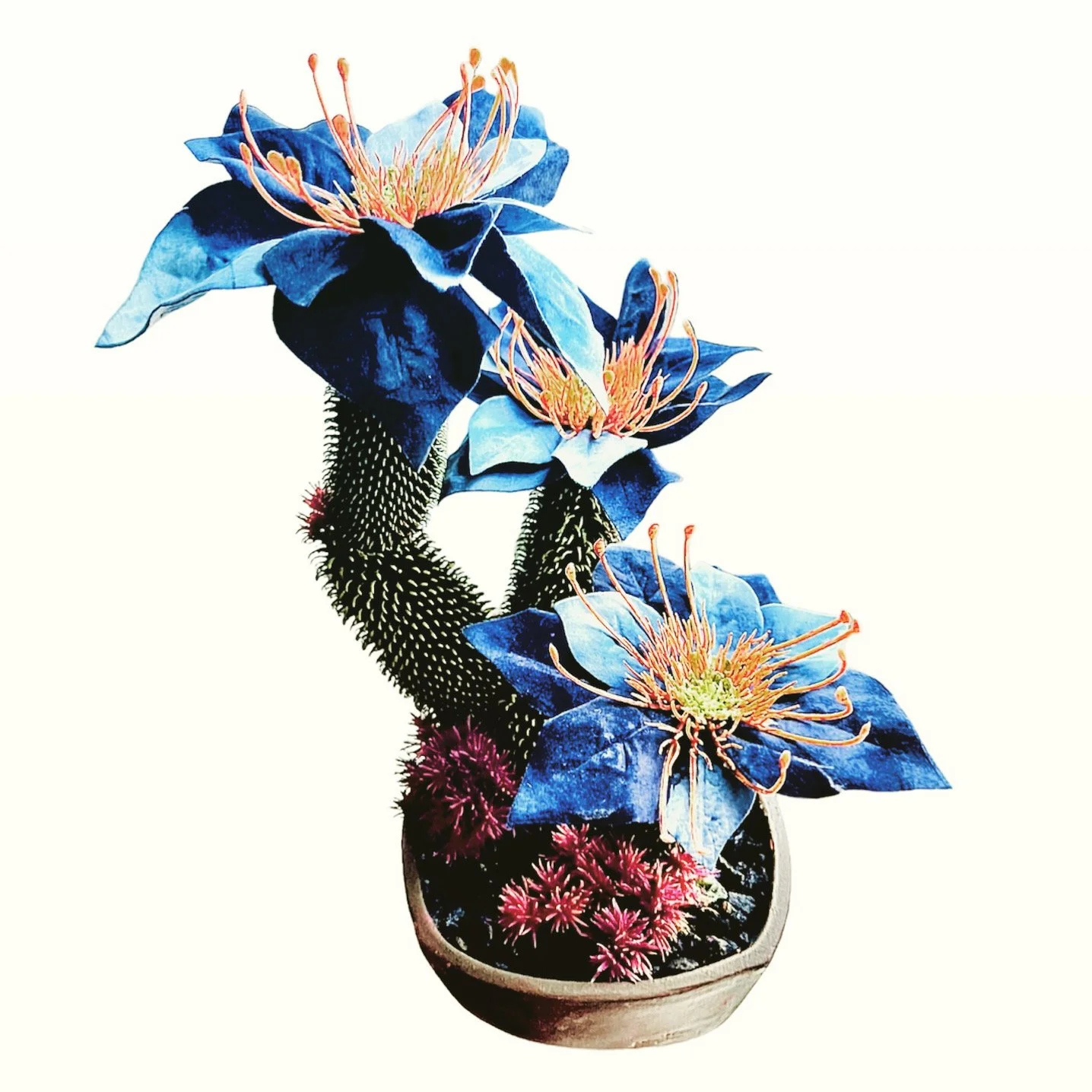
Enigma Spiker. (Floraspicula, Vesparia) A testament to nature's ingenious adaptation. When a pollinator is lured by the promise of sweet nectar, it becomes ensnared by the deceptive allure of the central structure. With lightning speed, the stinger injects the pollinator with a seed pod, and now carries the genetic code of the Enigma Spiker. Intriguingly, this parasitic interaction is a symbiotic dance, one that sustains the delicate balance of life on Nephrajaal. The pollinator, now unwittingly carrying the Enigma Spiker's genetic legacy, becomes drawn to a specific location—a place where the seed will find its ideal conditions for germination.
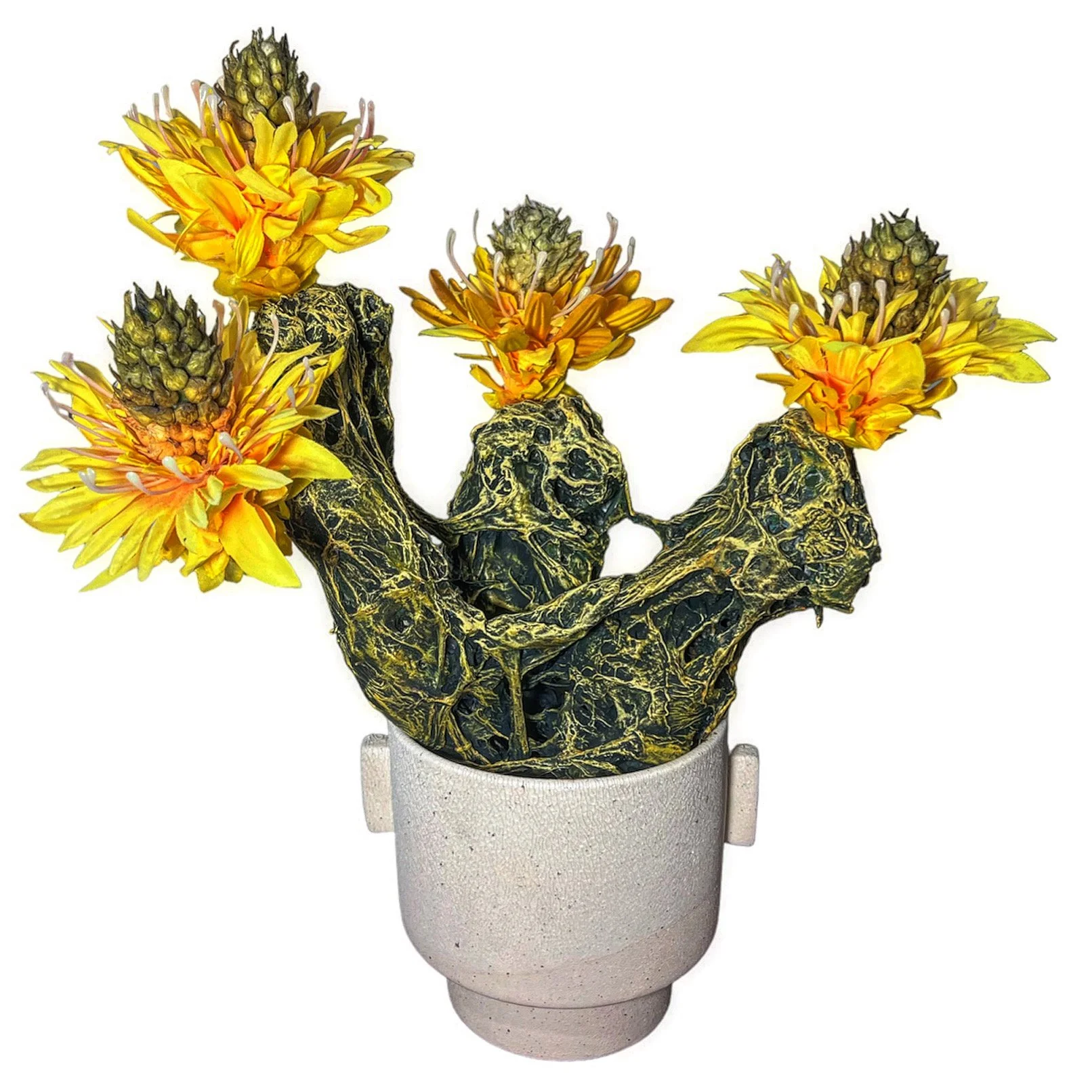
Slimecactus Aurorus (Cactobacterium Aurorus) The Slimecactus plays a vital role in its ecosystem by providing nourishment and shelter for various creatures native to Nephrajaal. Its captivating floral display attracts curiousl pollinators and insects, inadvertently assisting in cross-pollination and propagation of the species. The holes and crevices within its structure offer cozy shelters for small animals seeking safety and refuge from the elements.
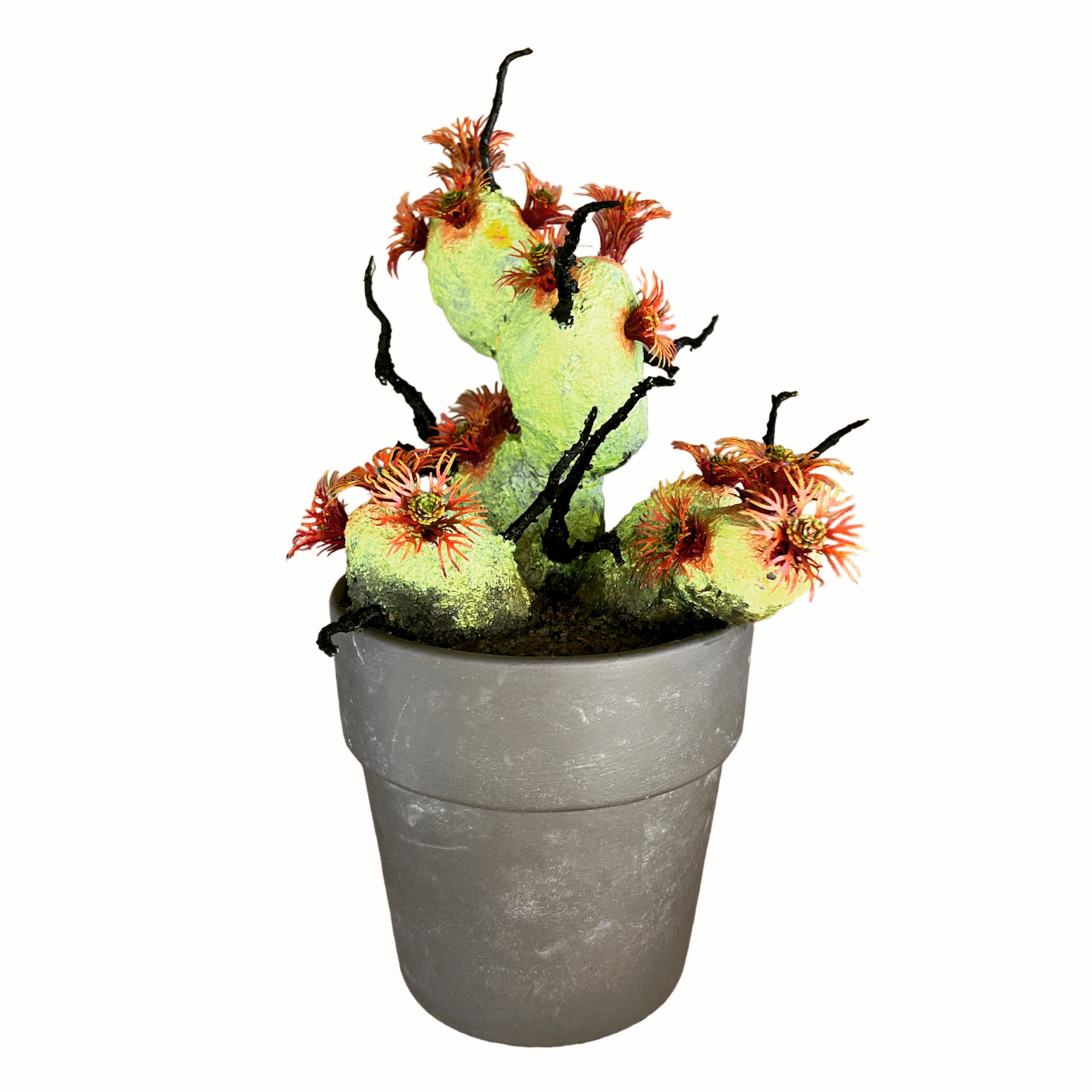
Moamrath root. (Zoantha Bulbosum)
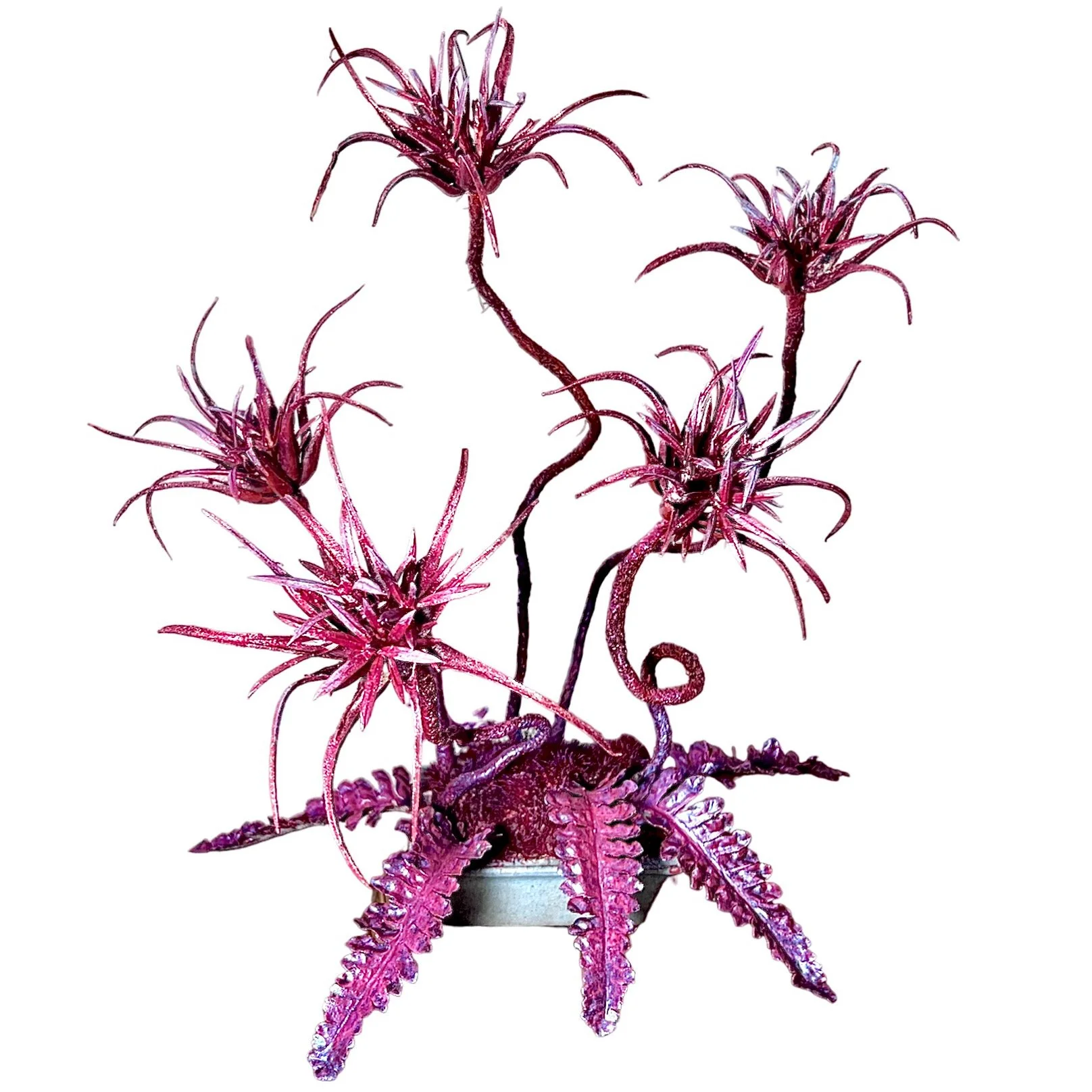
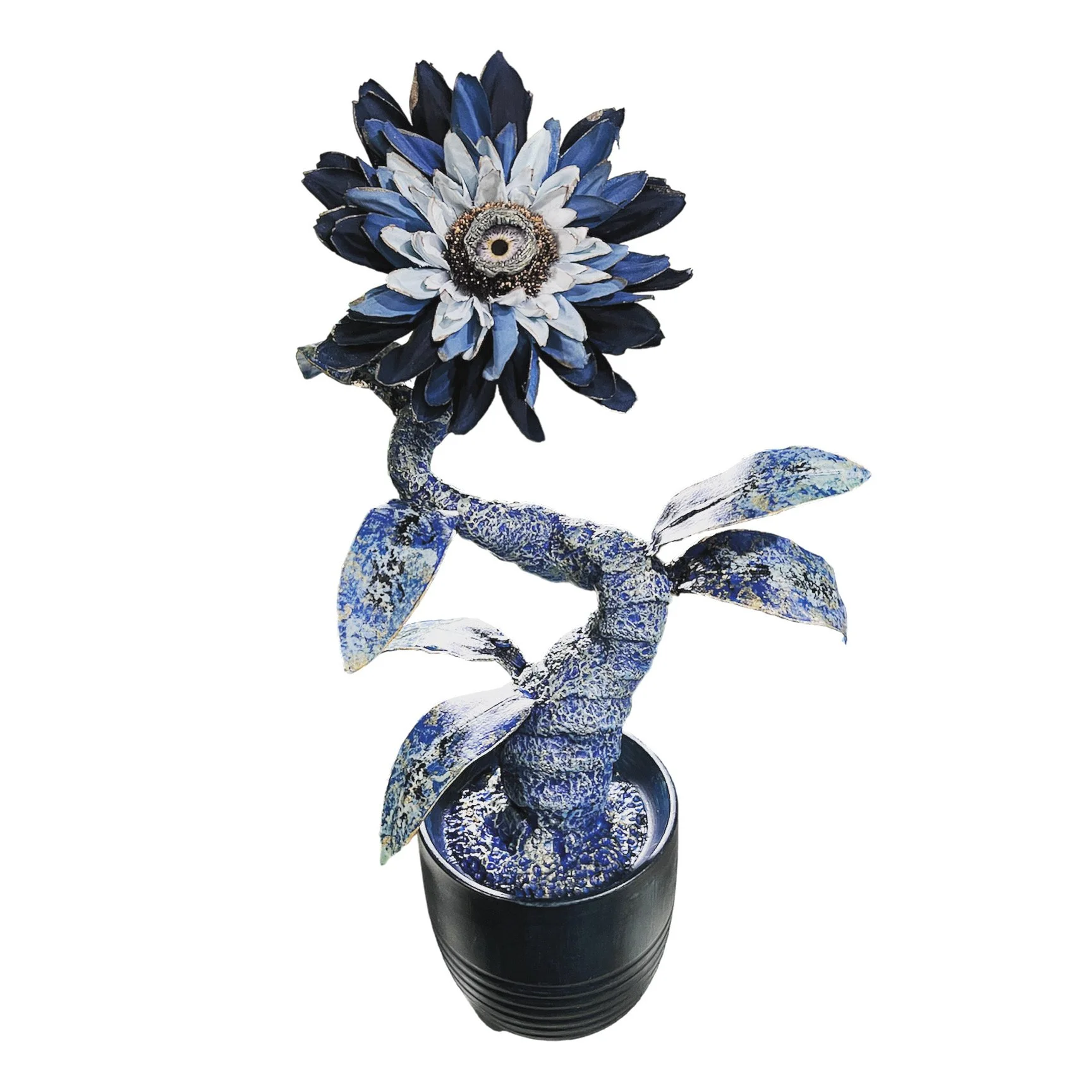
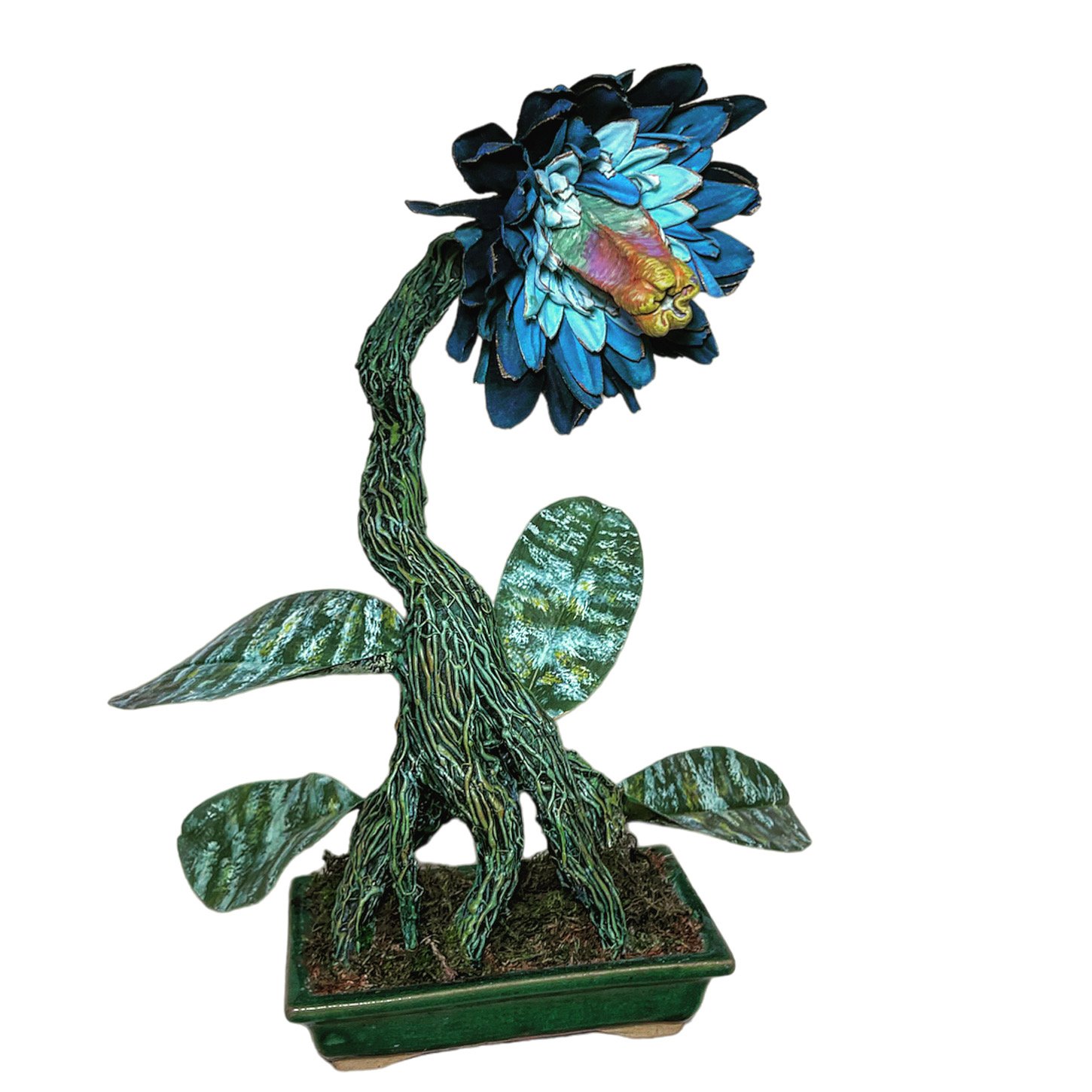
Deku Lily Lilium Phytodia Aetherbloom
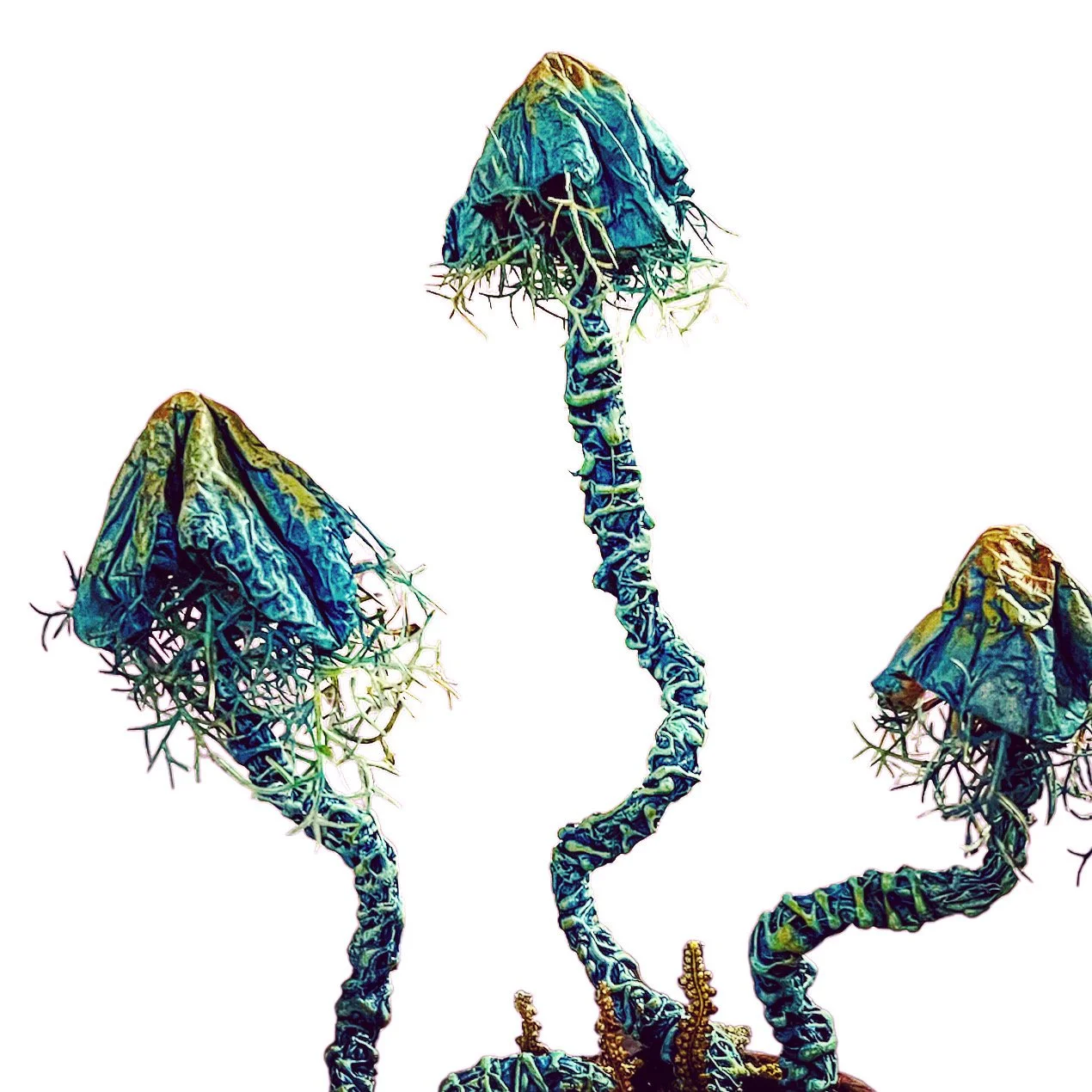
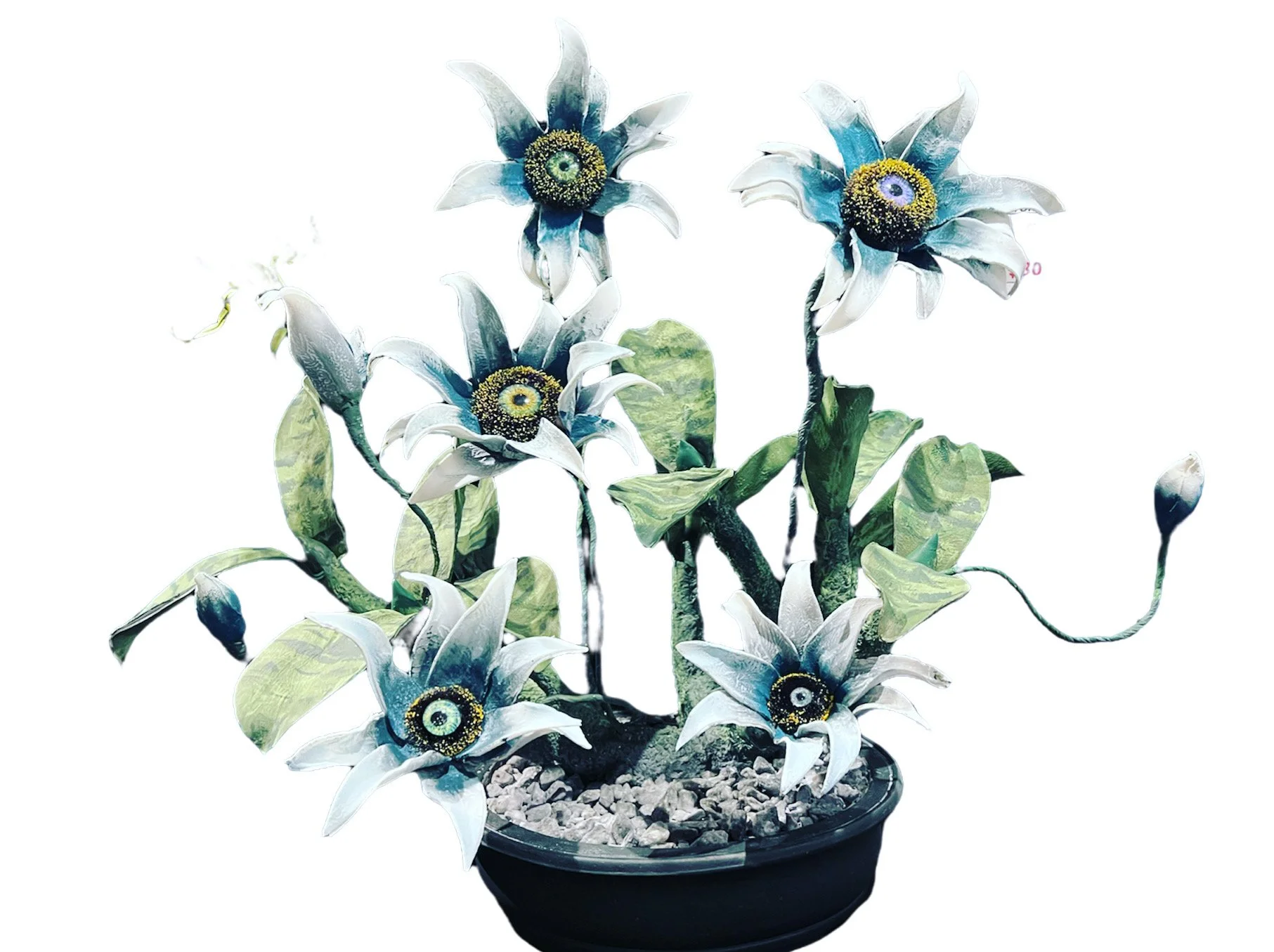
Peeper Plant
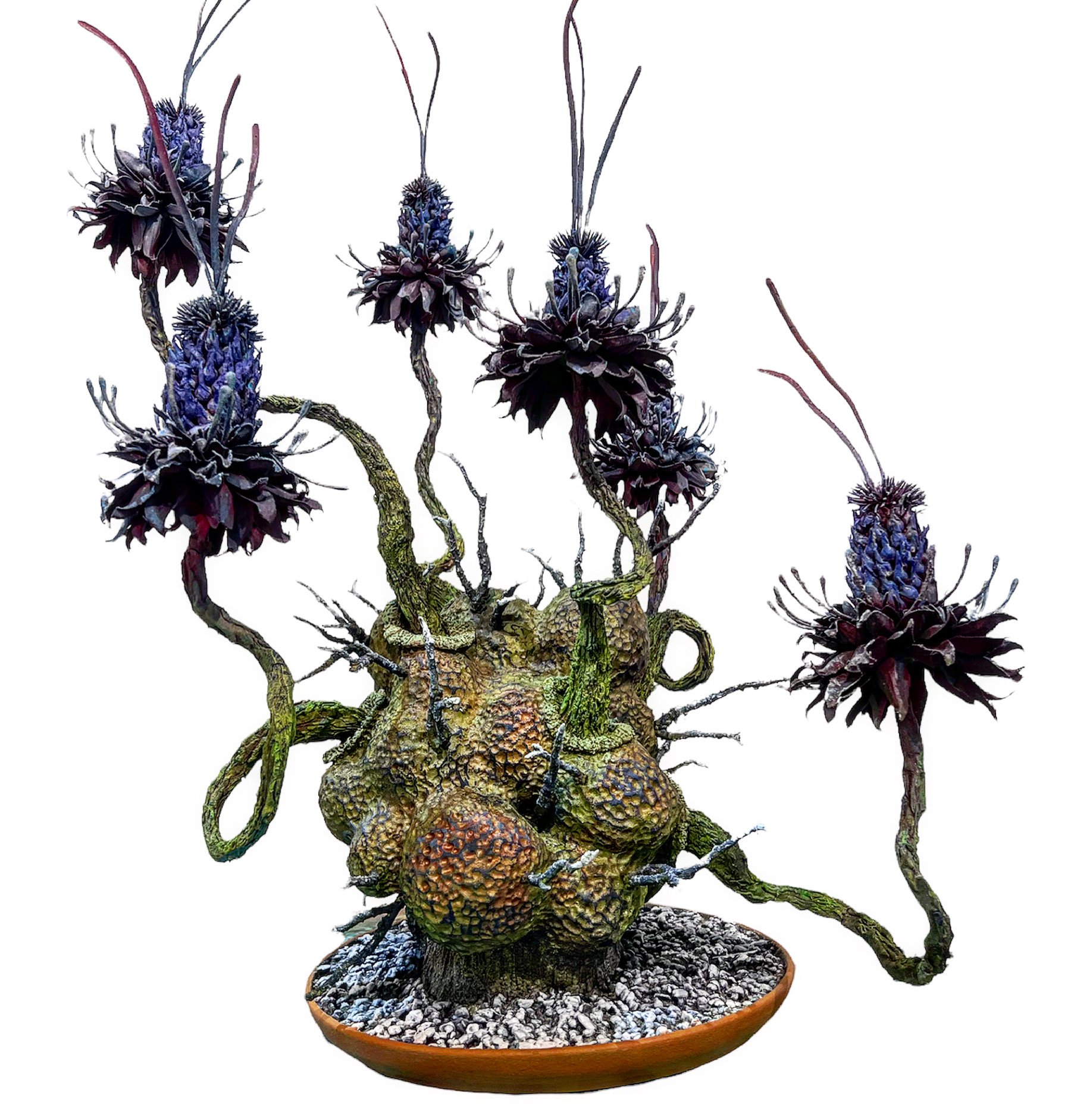
Bladder Palm
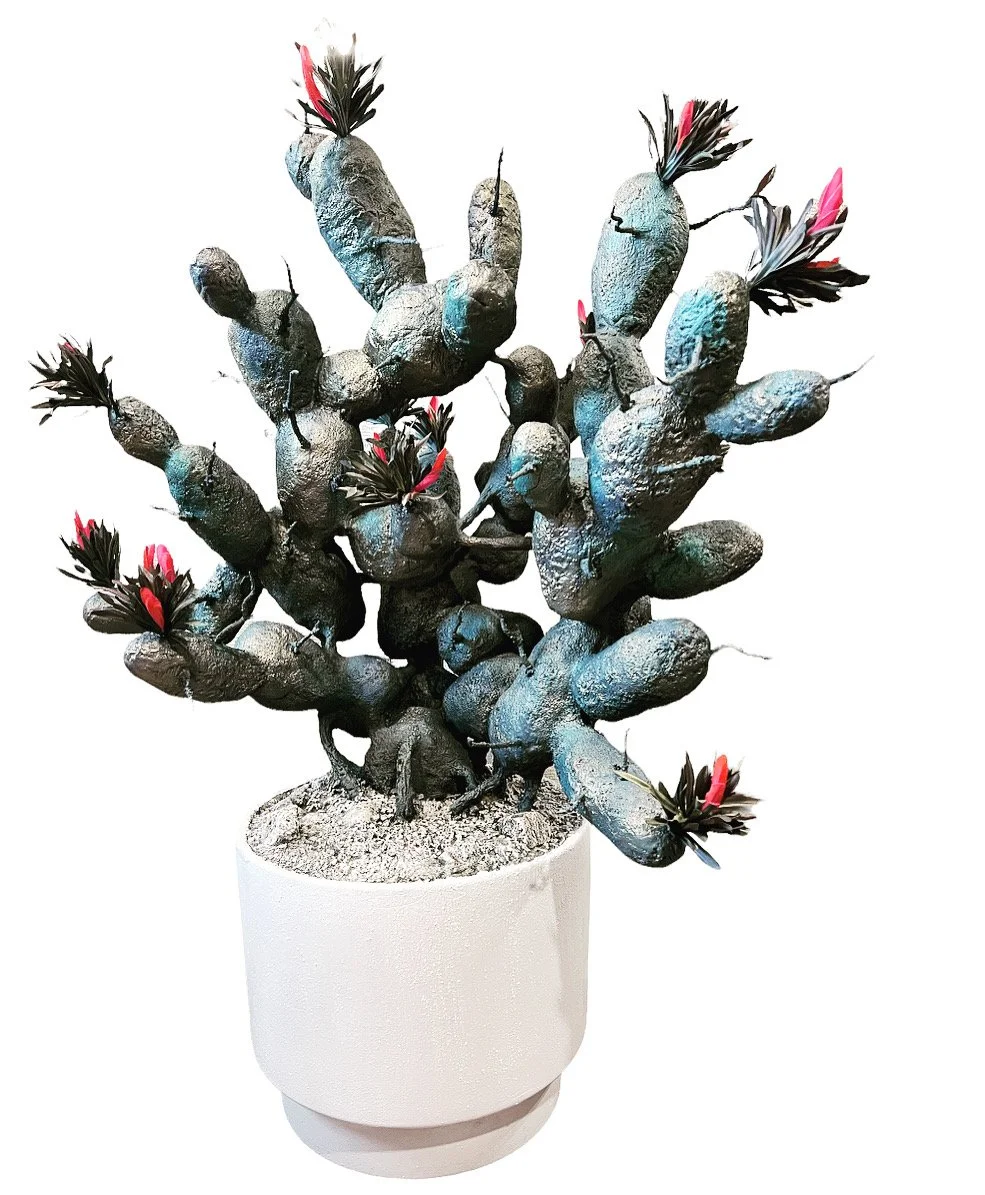
Metalicus Bulbosum
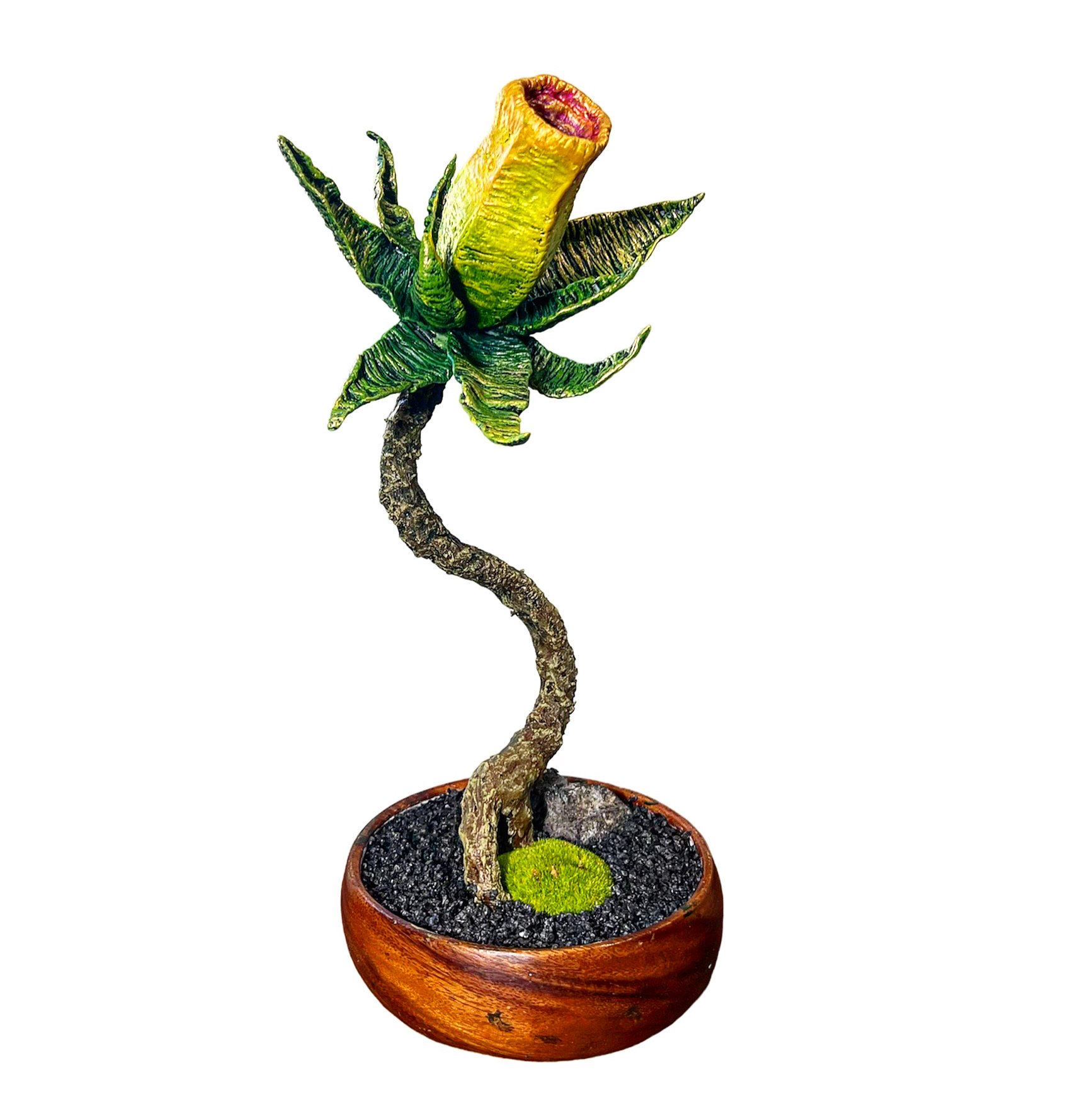
Sugamori Deku Lilium Phytodia v. Utsubot
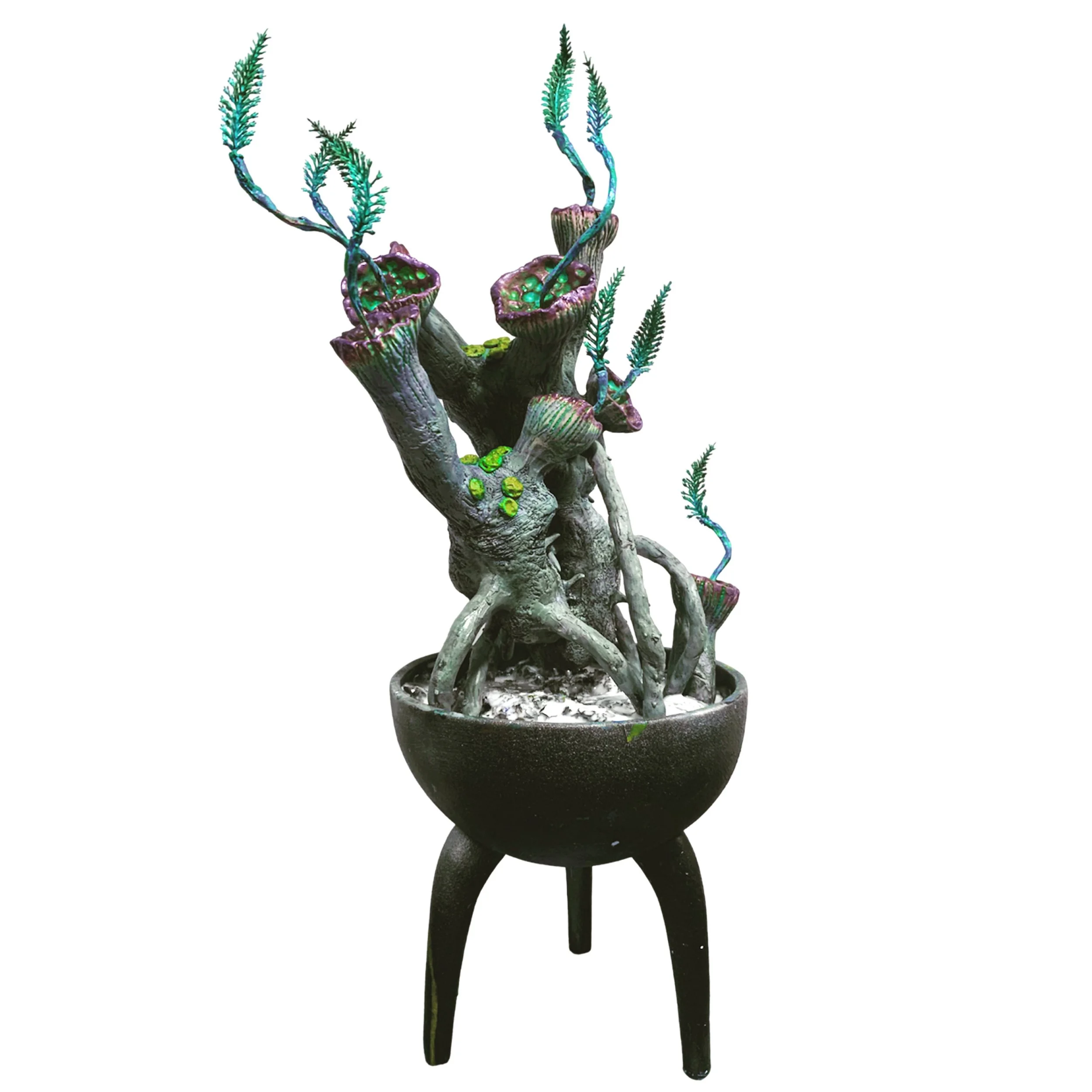
Trumpet Mangrove
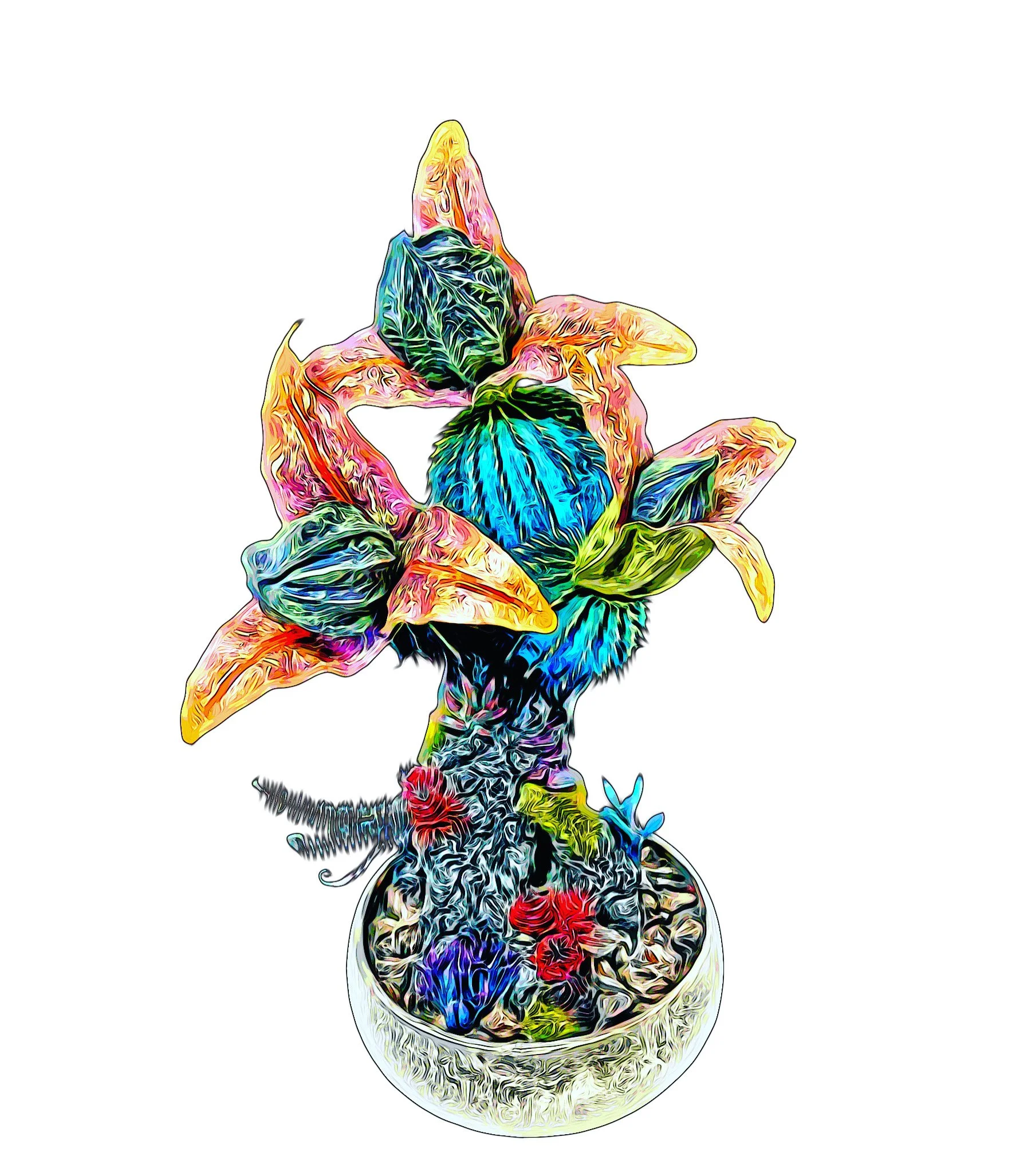
Cactilily
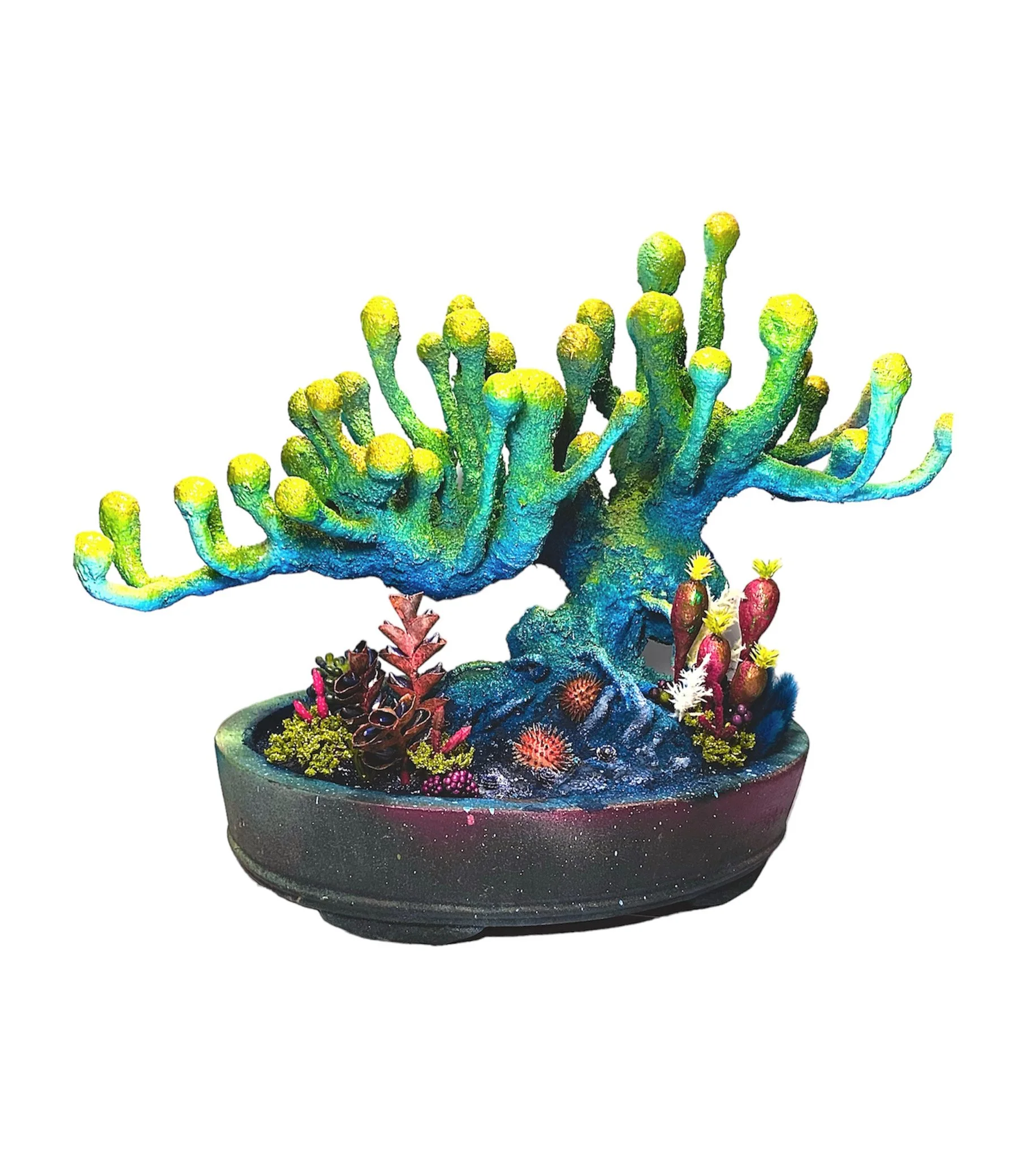
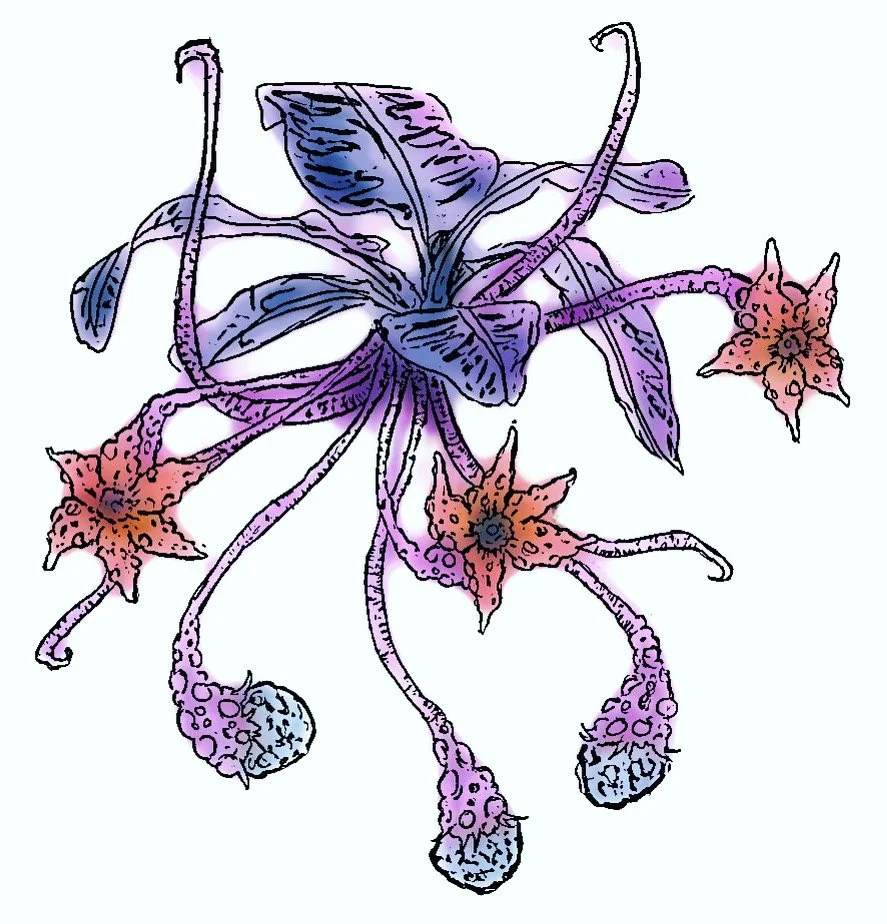
Concept sketch for the Lantern plantain sculpture.
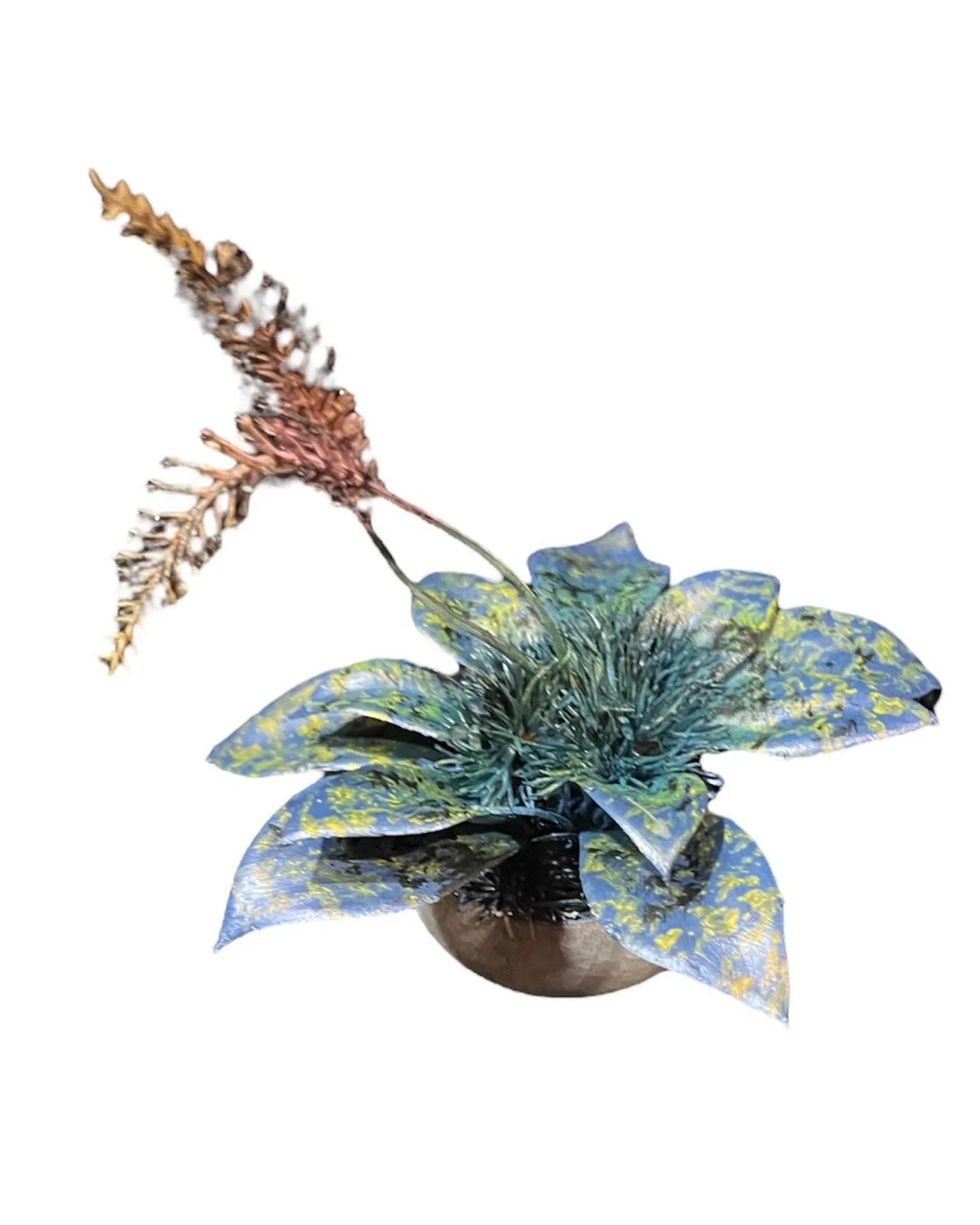
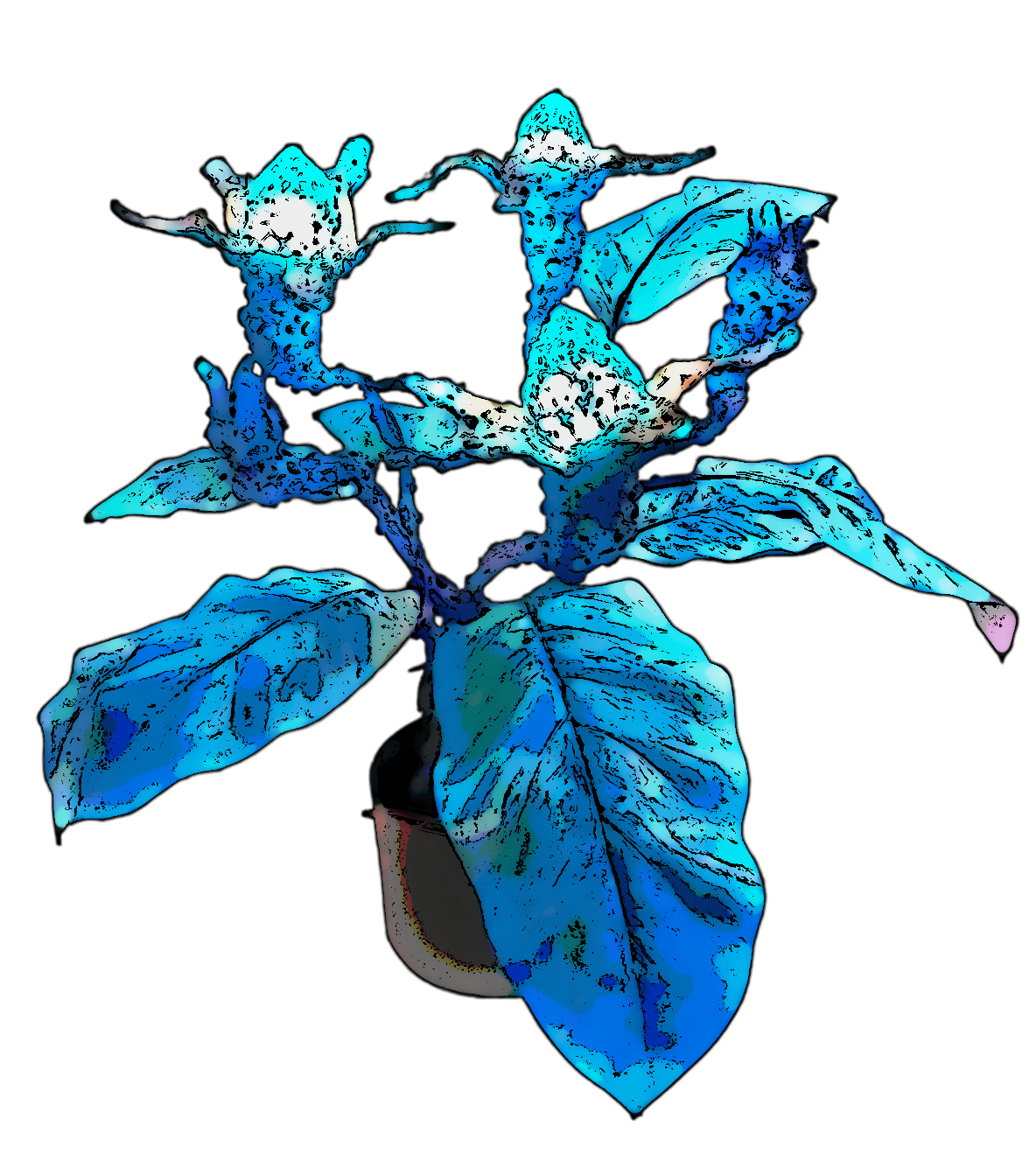
Lantern Plantain, Florivuncus Musapendula
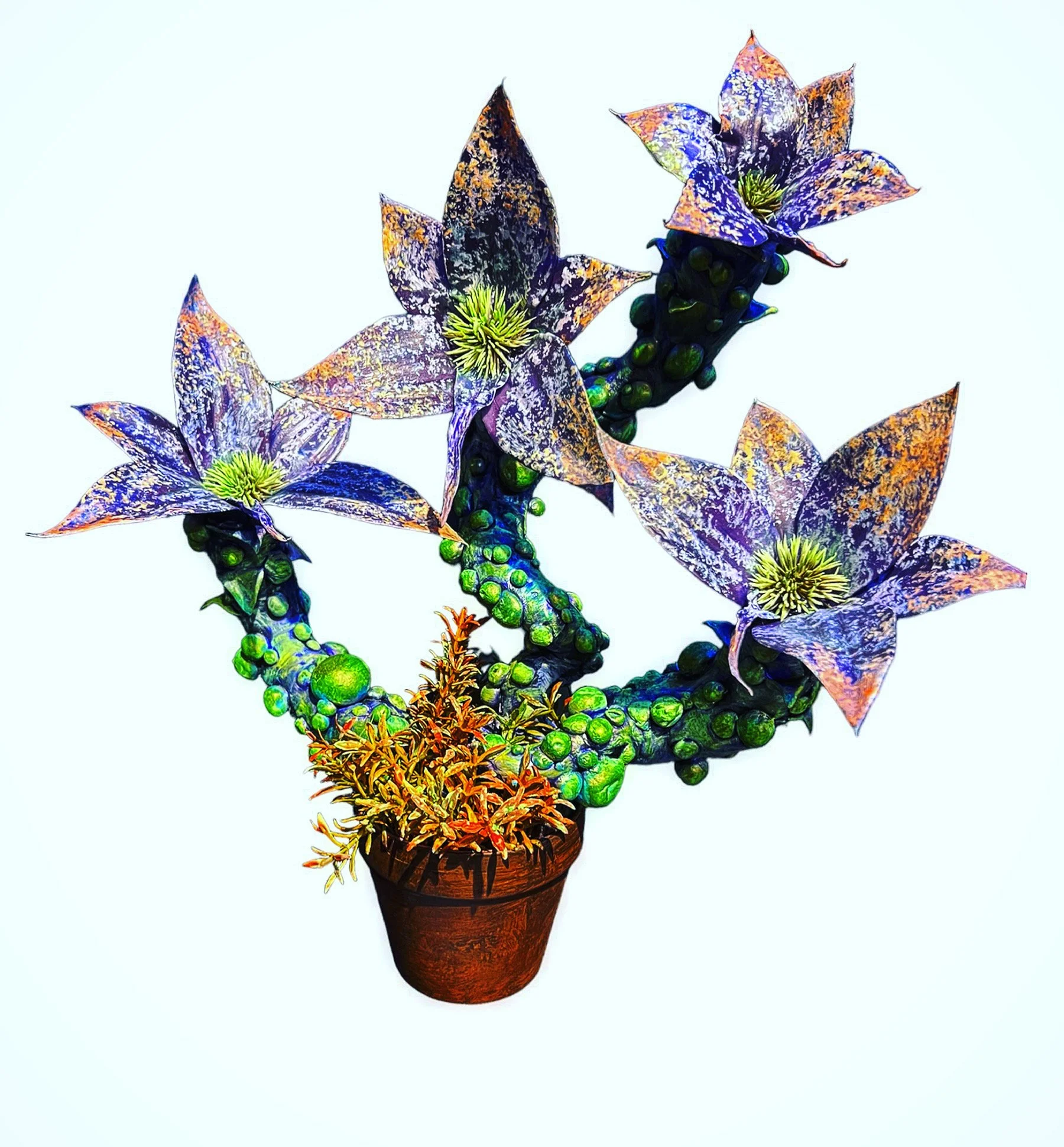
Hygrophyla Bulbosum. Replete Orchid In its native habitat on the sunnier side of Nephrajaal, the Replete Orchid plays a vital role in the ecosystem. Its ability to store water within its bulbous structures provides a crucial resource for various organisms, ensuring the survival of both plant and animal life in arid environments. Additionally, the wide flowers of the Replete Orchid serve as a source of nourishment and pollination for local fauna, contributing to the surrounding biodiversity..
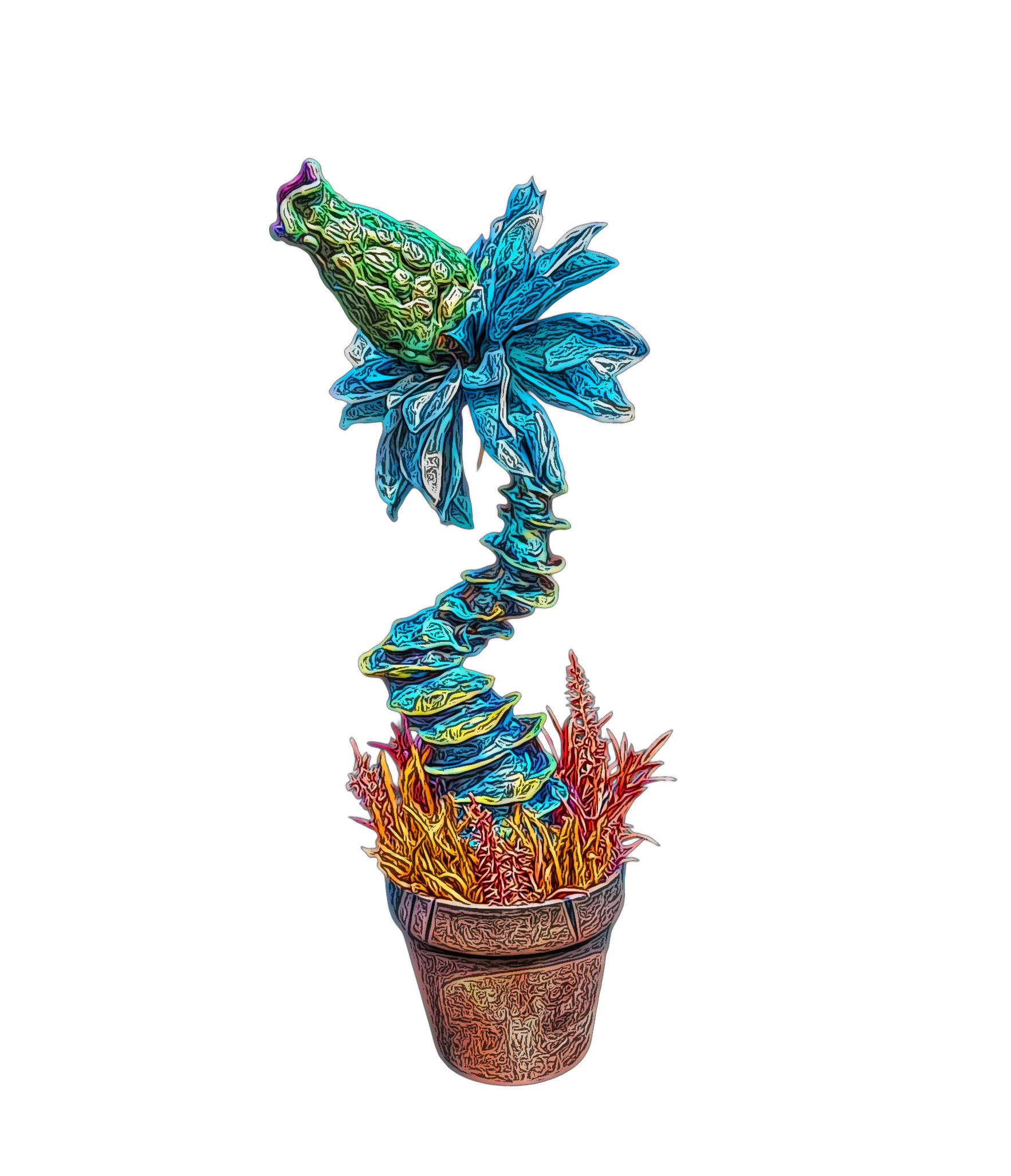
Deku Lily variant
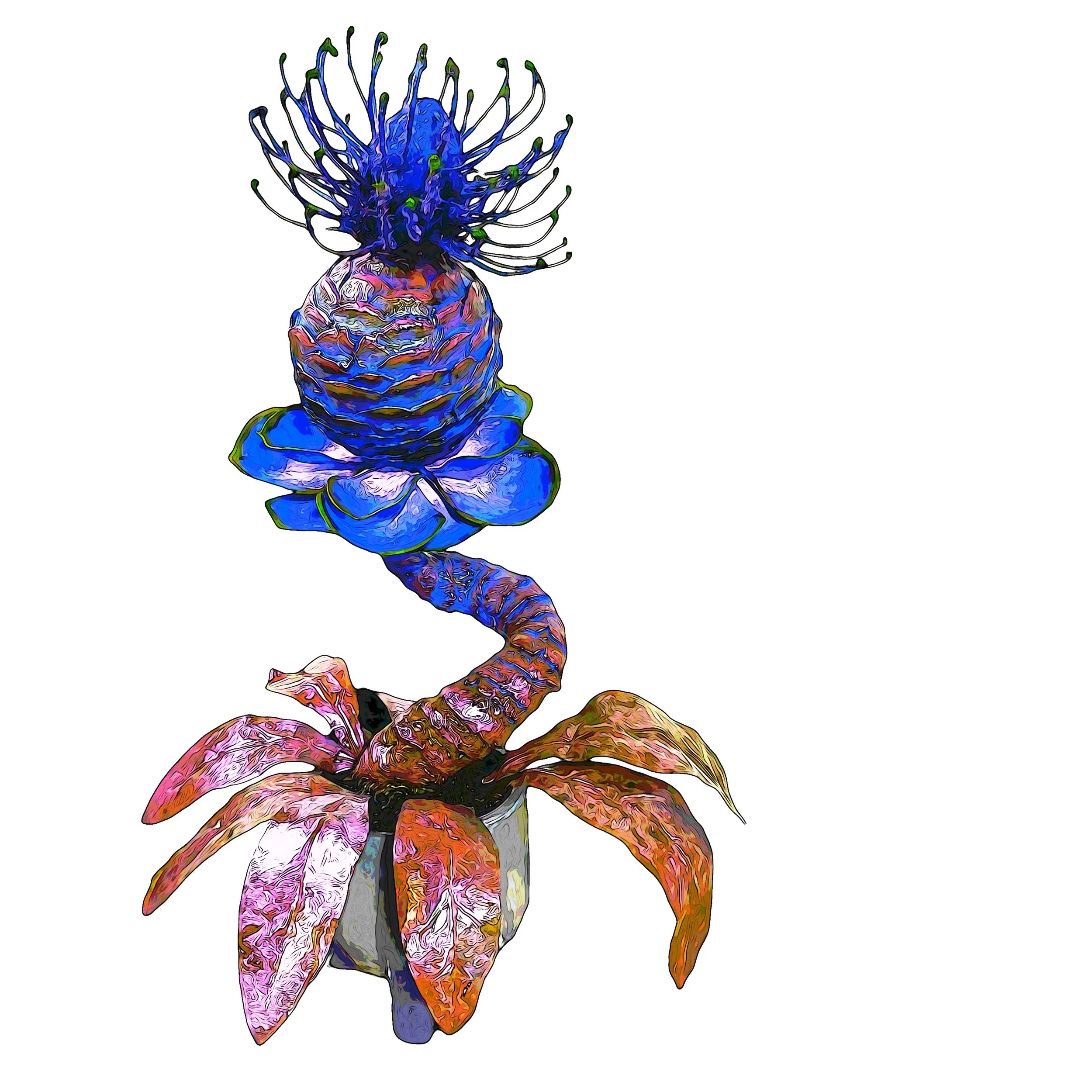
Scale Bloom, Florchromis Scuticarpa. The Scale Bloom exhibits an almost scaled surface, reminiscent of a bonsai tree's twist, adorned with unique, foam sphere-like structures covered in individual scales, resembling those of a pinecone. At the center of each flower, an artichoke-like arrangement graces the surface, evoking a sense of otherworldly charm. From this artichoke structure emerges a striking pinecone-like formation, adorned with delicate tendrils that give the specimen an almost sundew-like appearance.
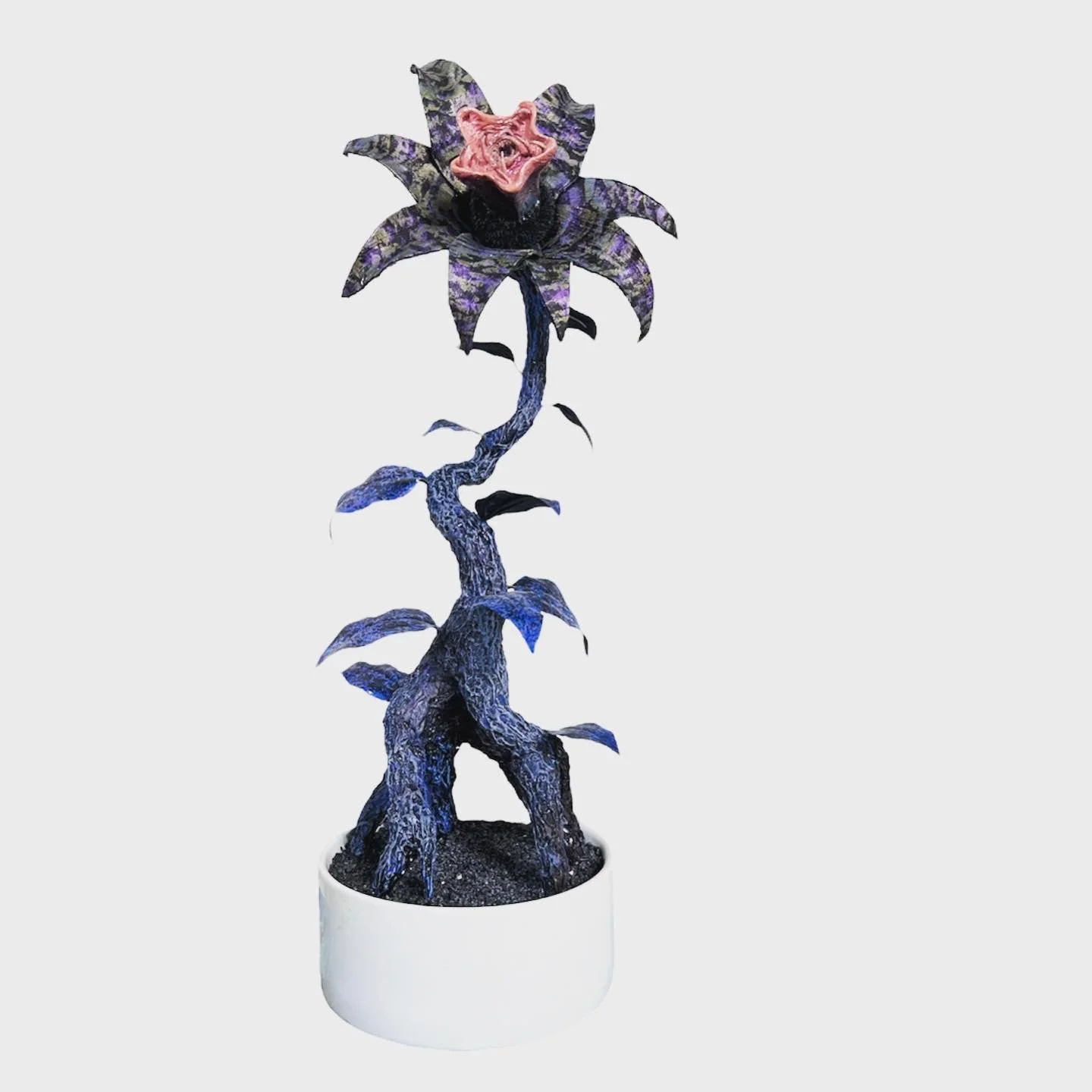
Dread Deku Lily
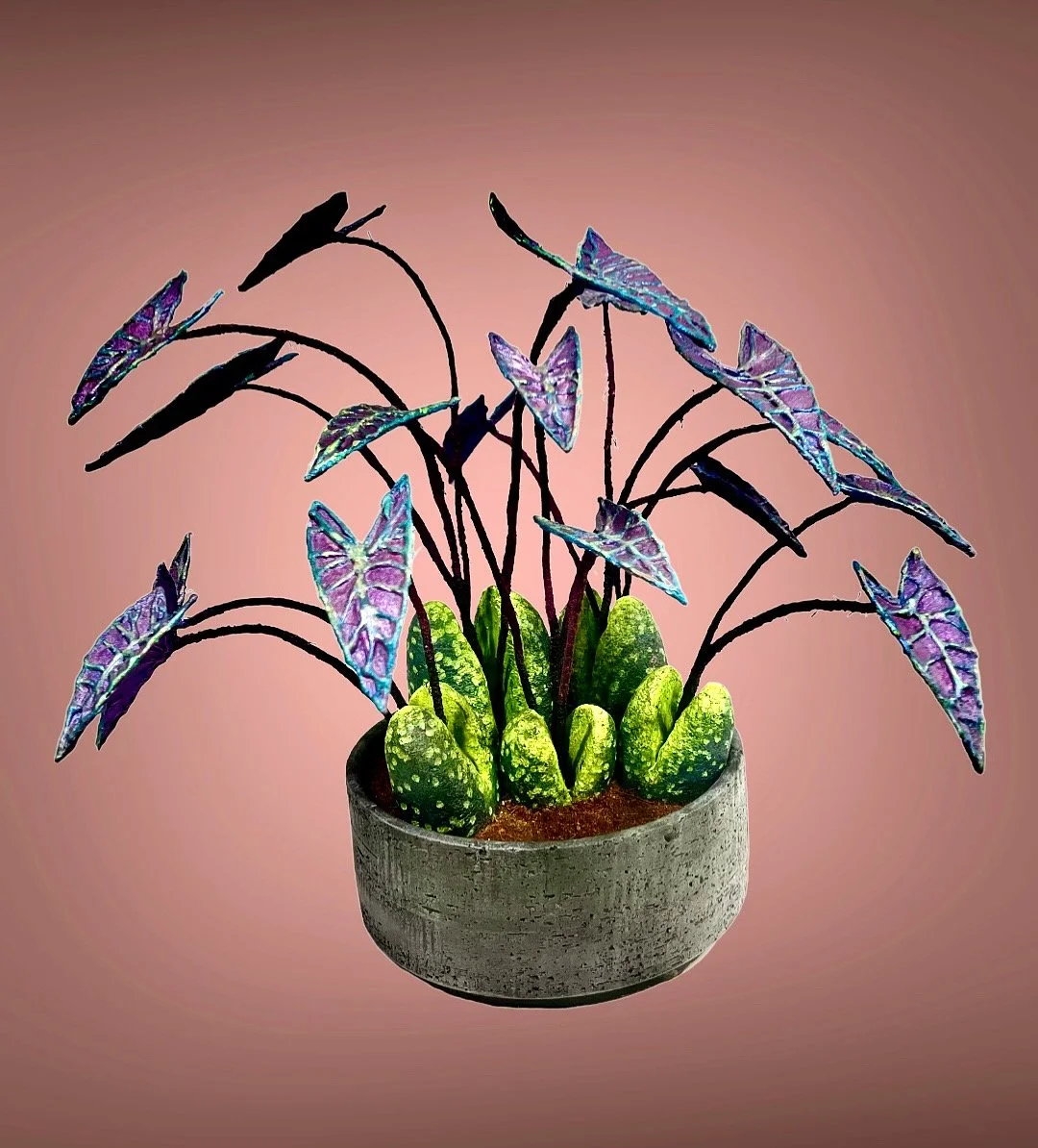
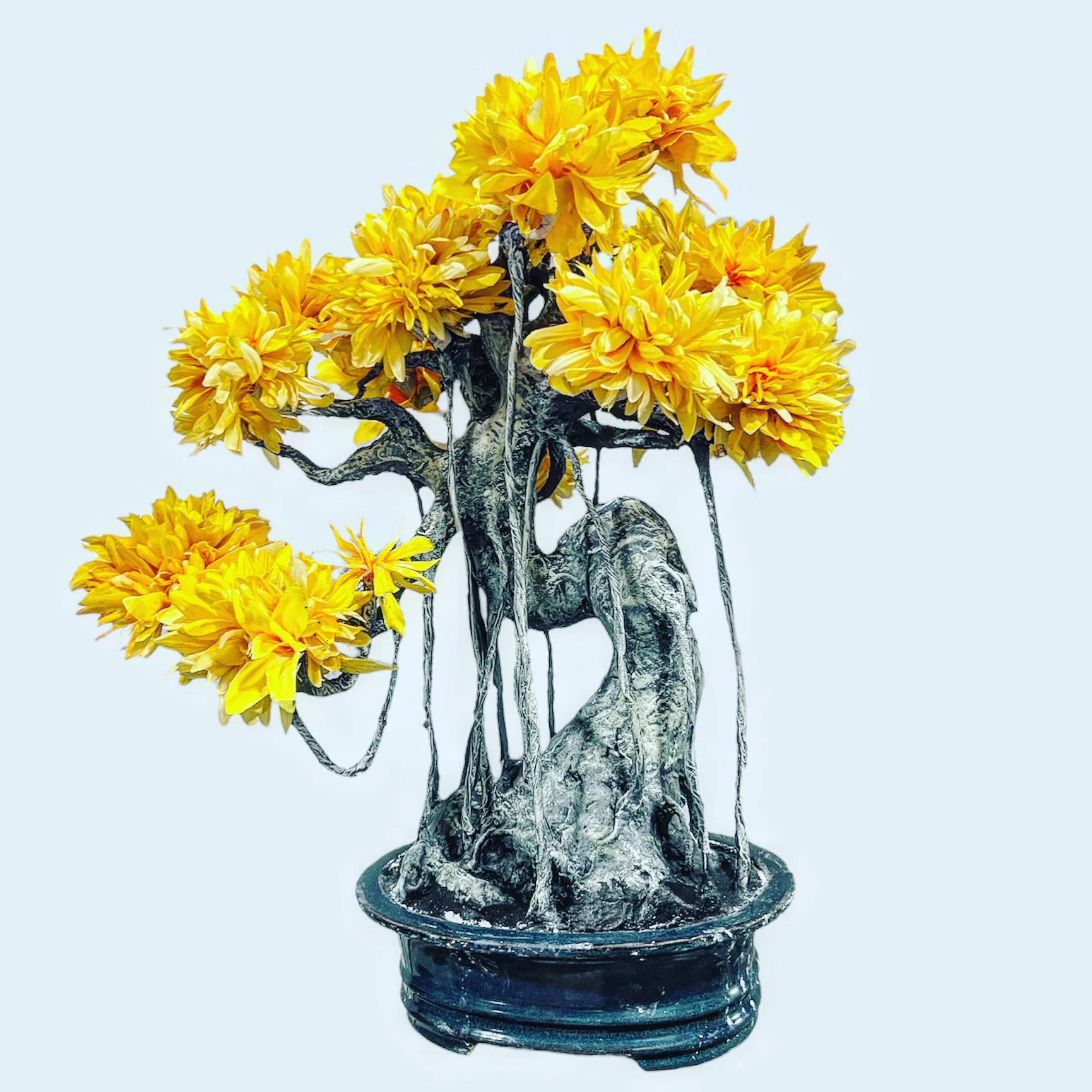
Lithocasia
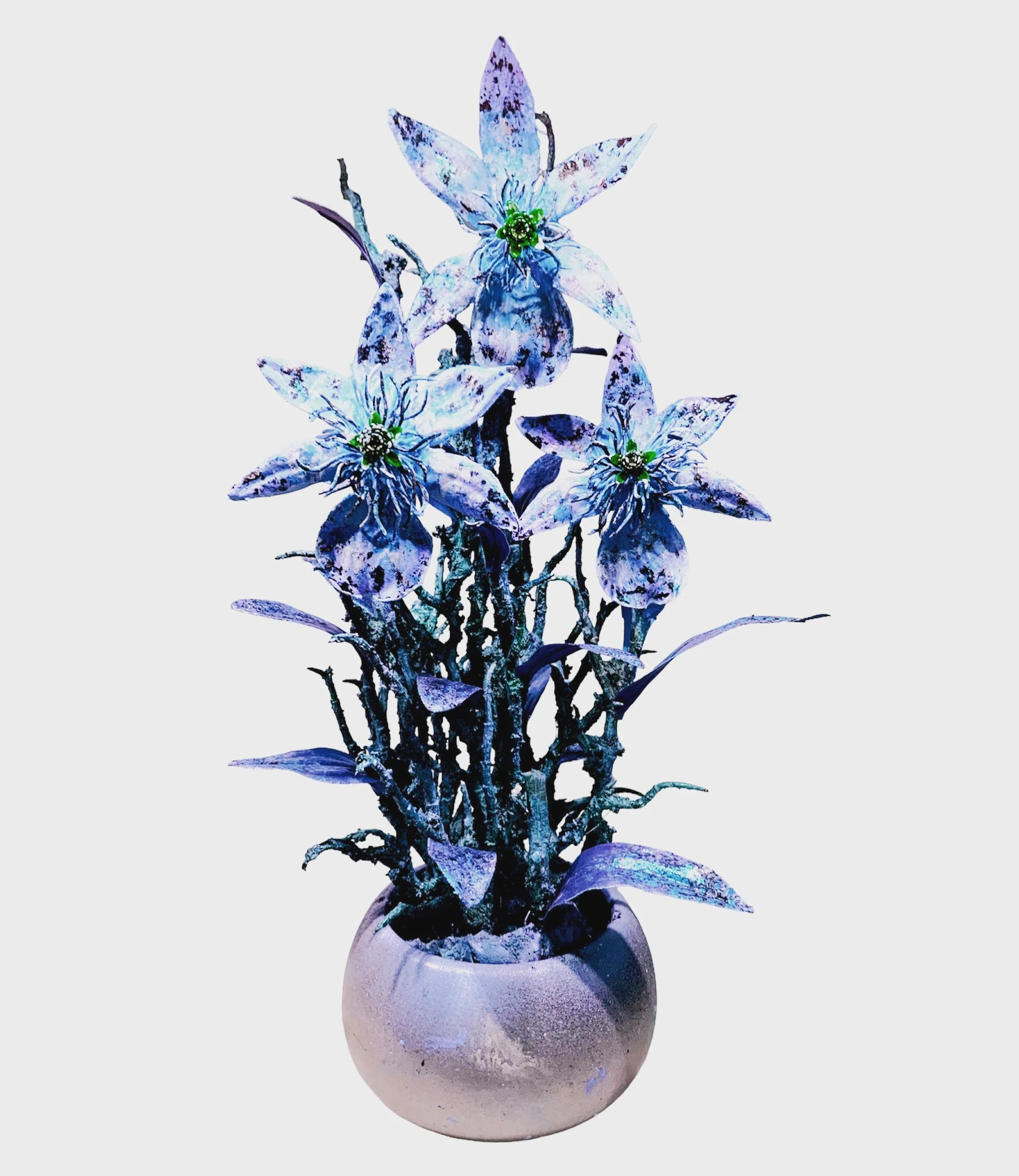
Ice Cragroot (Smilax Glacialis) Plants on Nephrajaal are much hardier than Earth. As evidenced by the ability of this species’ ability to grow in the frigid shadows of the colder side of the planet. Scientist were amazed to find the plants anchored to ancient glacial formations by long jagged roots clearly visible through the surface of the ice. It is still unknown mechanism utilizes to remain unfrozen.
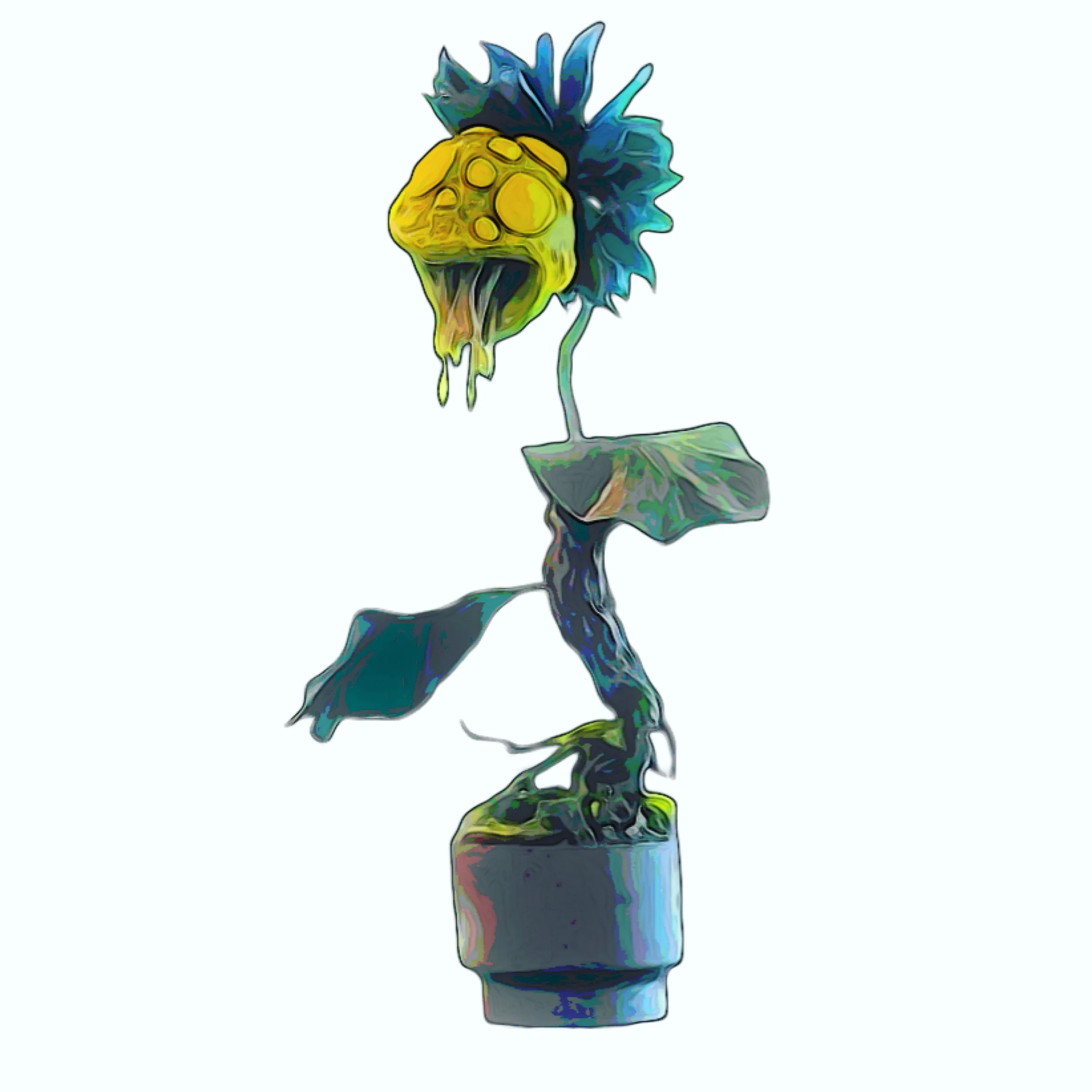
Lilium Phytodia v. Polyingua Mouthy Deku
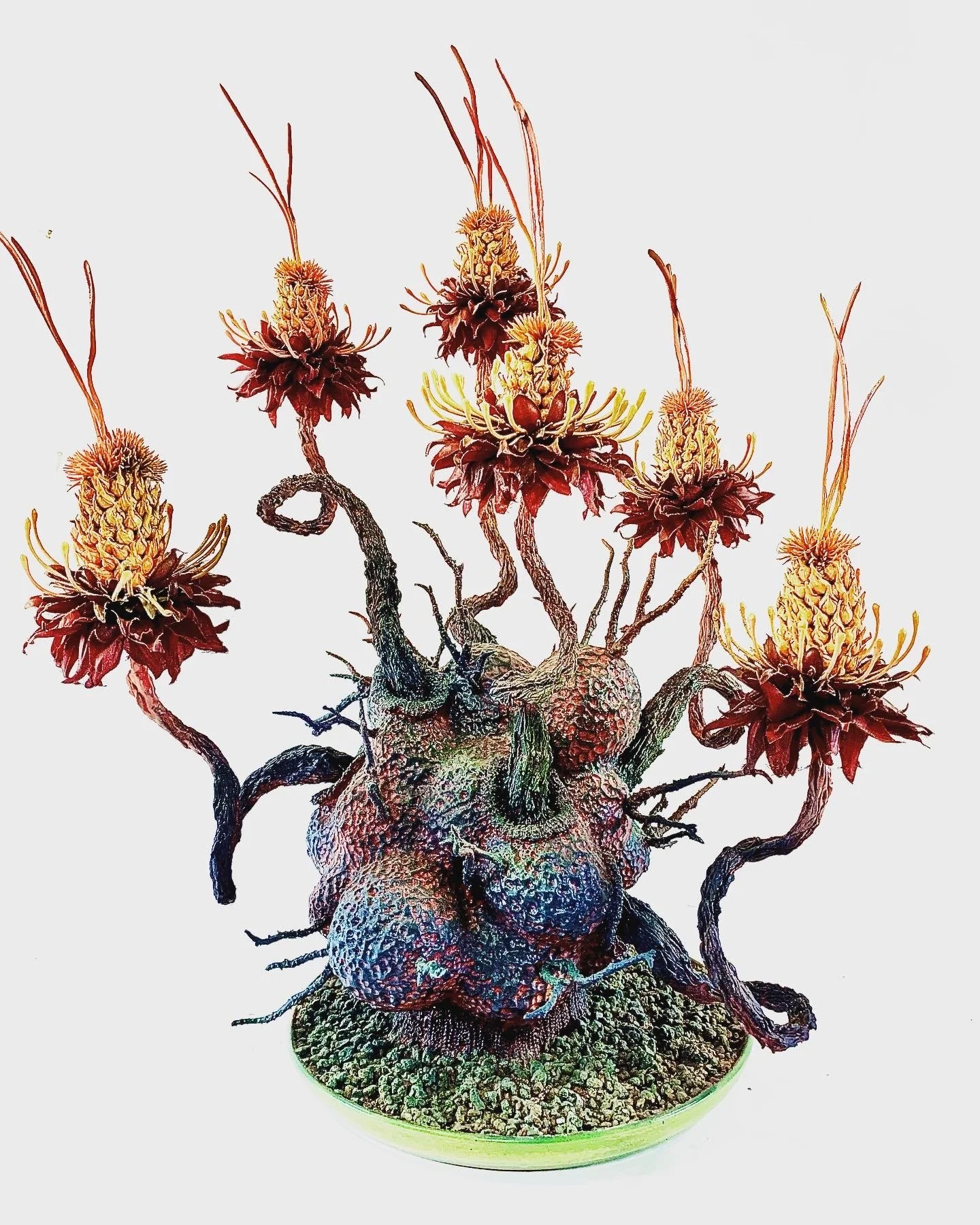
Bladder Palm
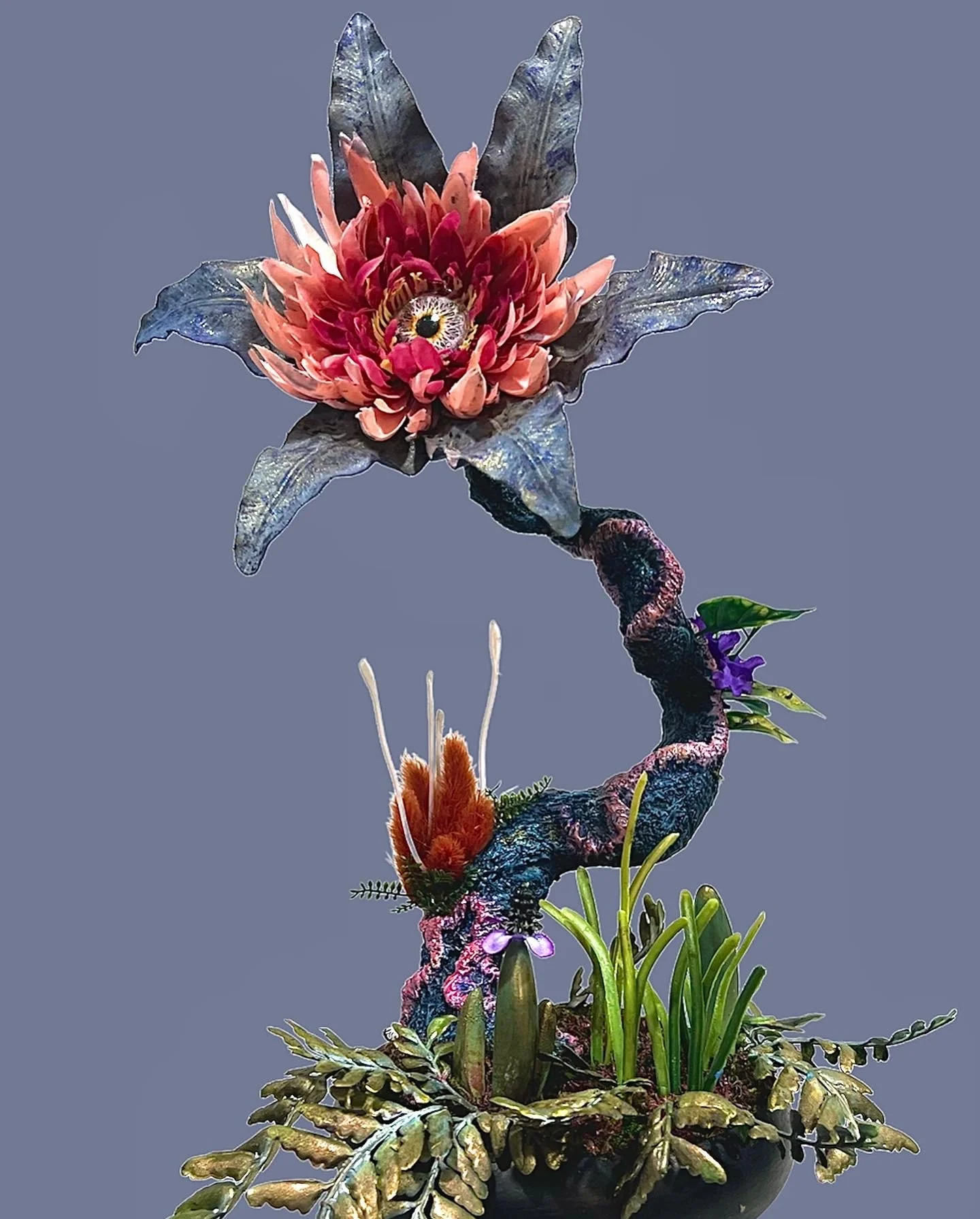
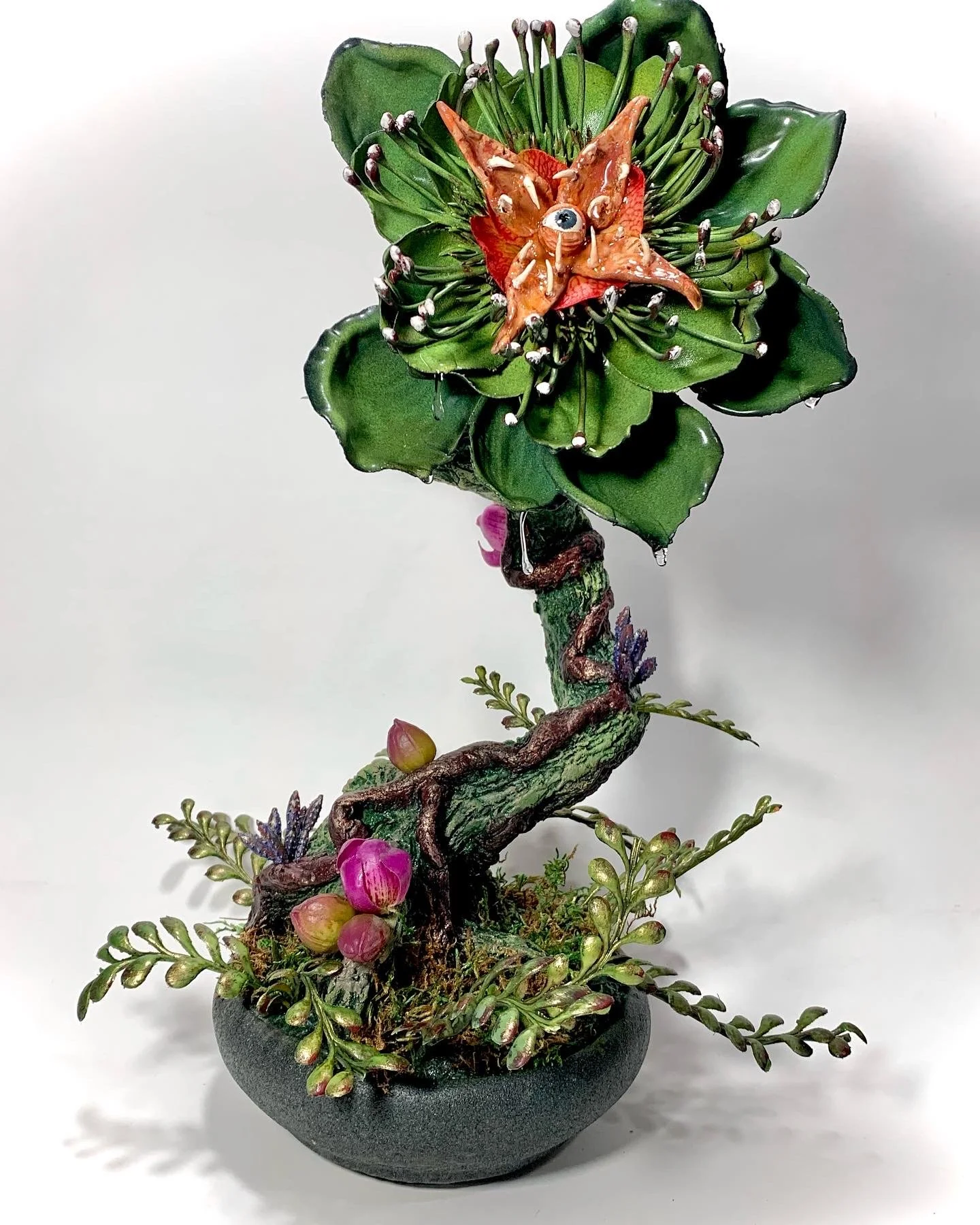
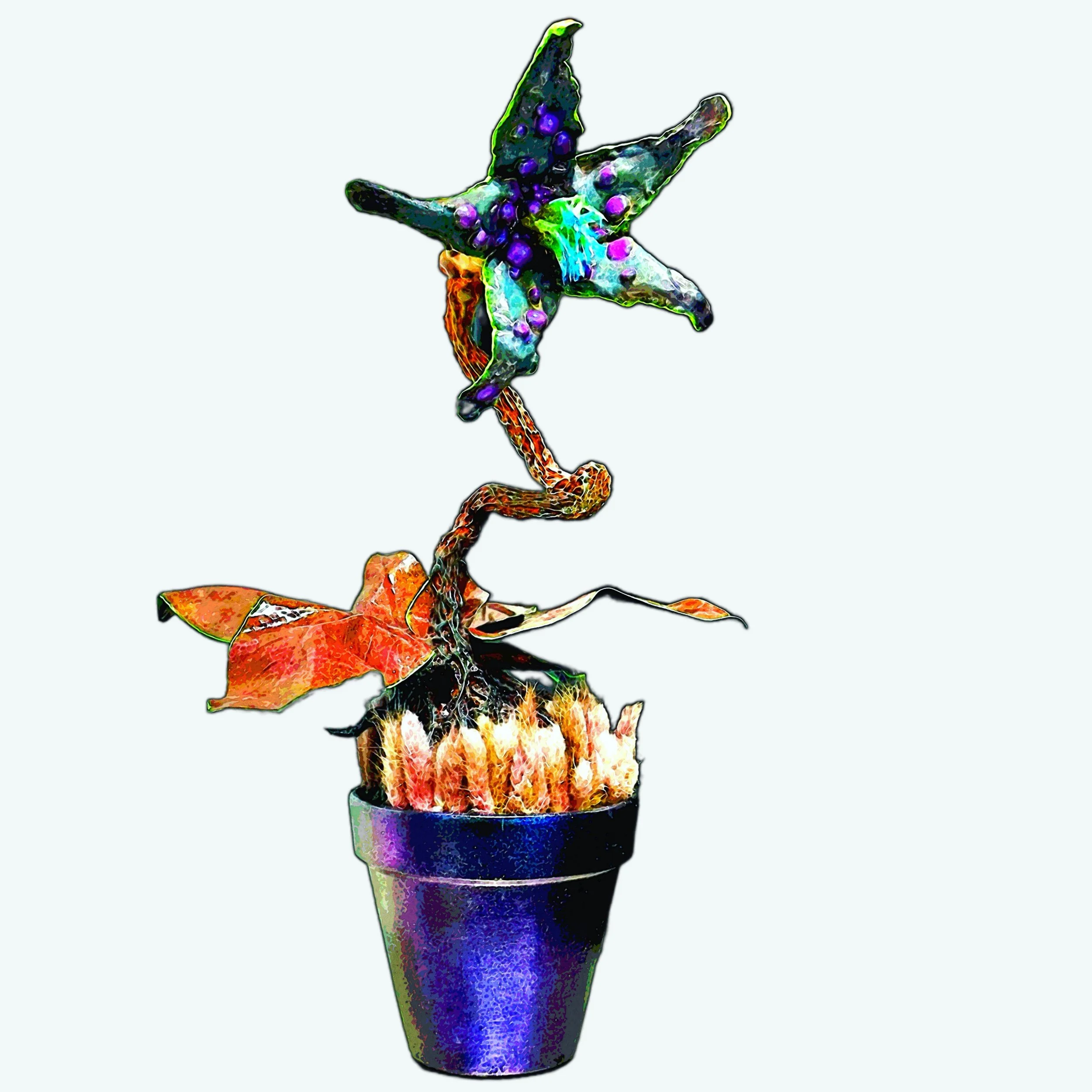
Dwarf Lantern Plantain
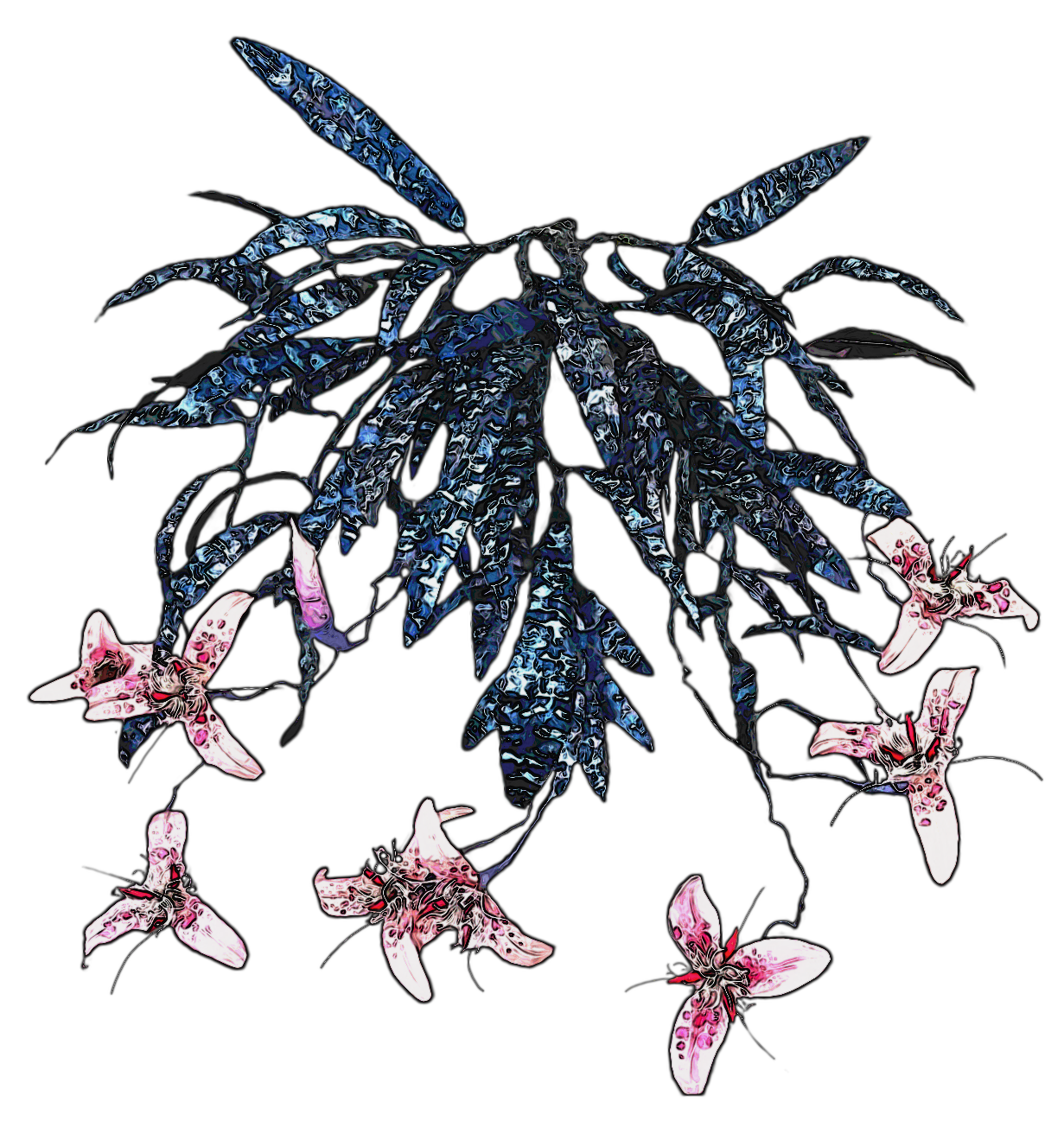
Epiphylum Iglesia (Climbing Tree Garlic) Epiphylum Iglesia, commonly known as Climbing Tree Garlic, is a fascinating epiphytic plant that thrives high on the limbs of trees in the lush canopies of Nephrajaal. This remarkable species captivates observers with its vertical orientation, metallic blue leaves adorned with white mottling, and stunning pastel orange and pink flowers that dangle gracefully from long stems.
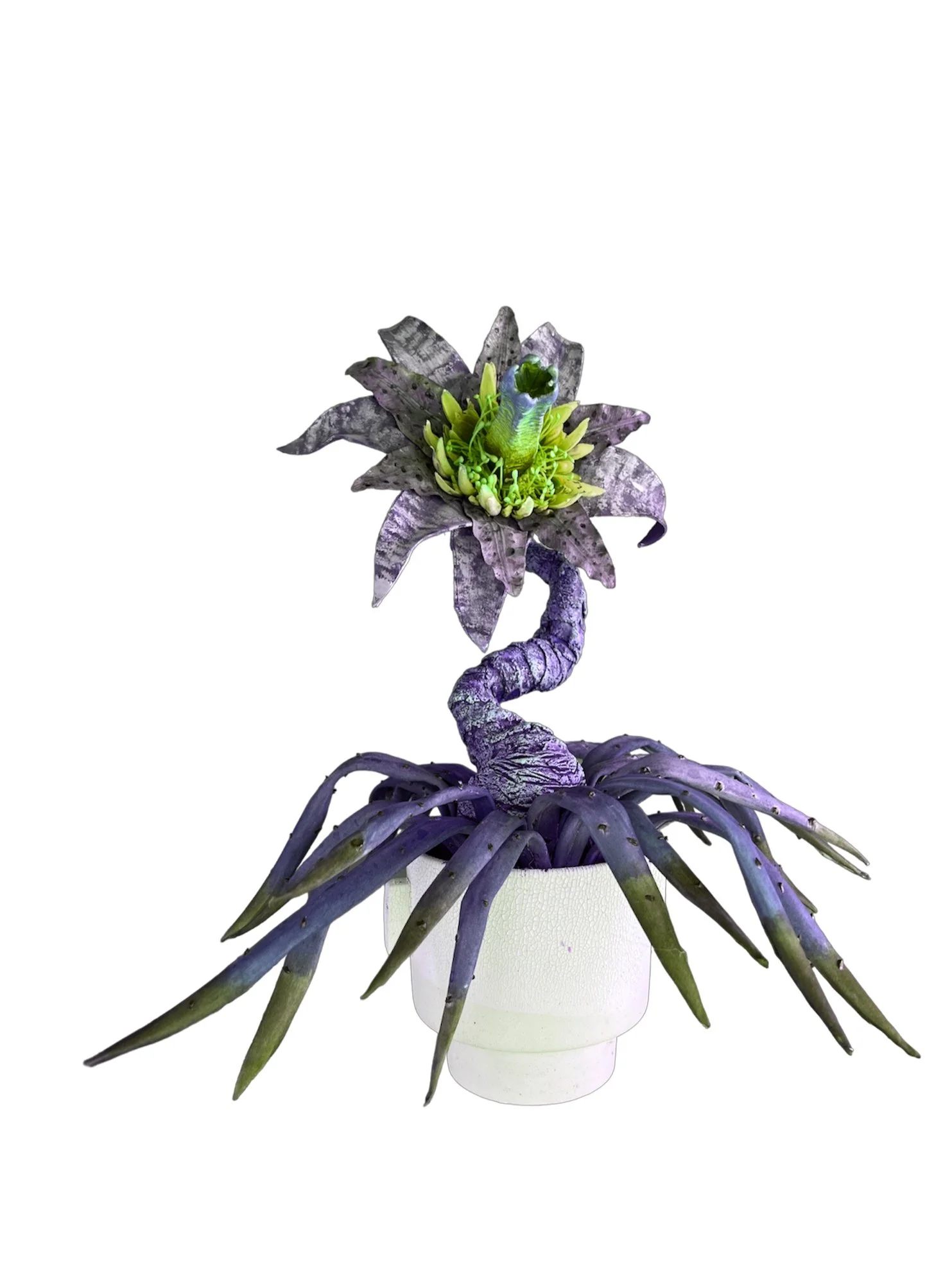
Sub-Species II - Lilium Phytodia var. Celestialis: Physical Features: Lilium Phytodia var. Celestialis displays an exquisite trunk similar to the scuticarpa plant, contributing to its captivating botanical allure. Distinguished by a larger, stargazer-lily-shaped flower, this sub-species retains the familiar hexagonal mouthpiece. Elongated, skinny succulent leaves fan out radially from the trunk's base, reminiscent of delicate icicles.
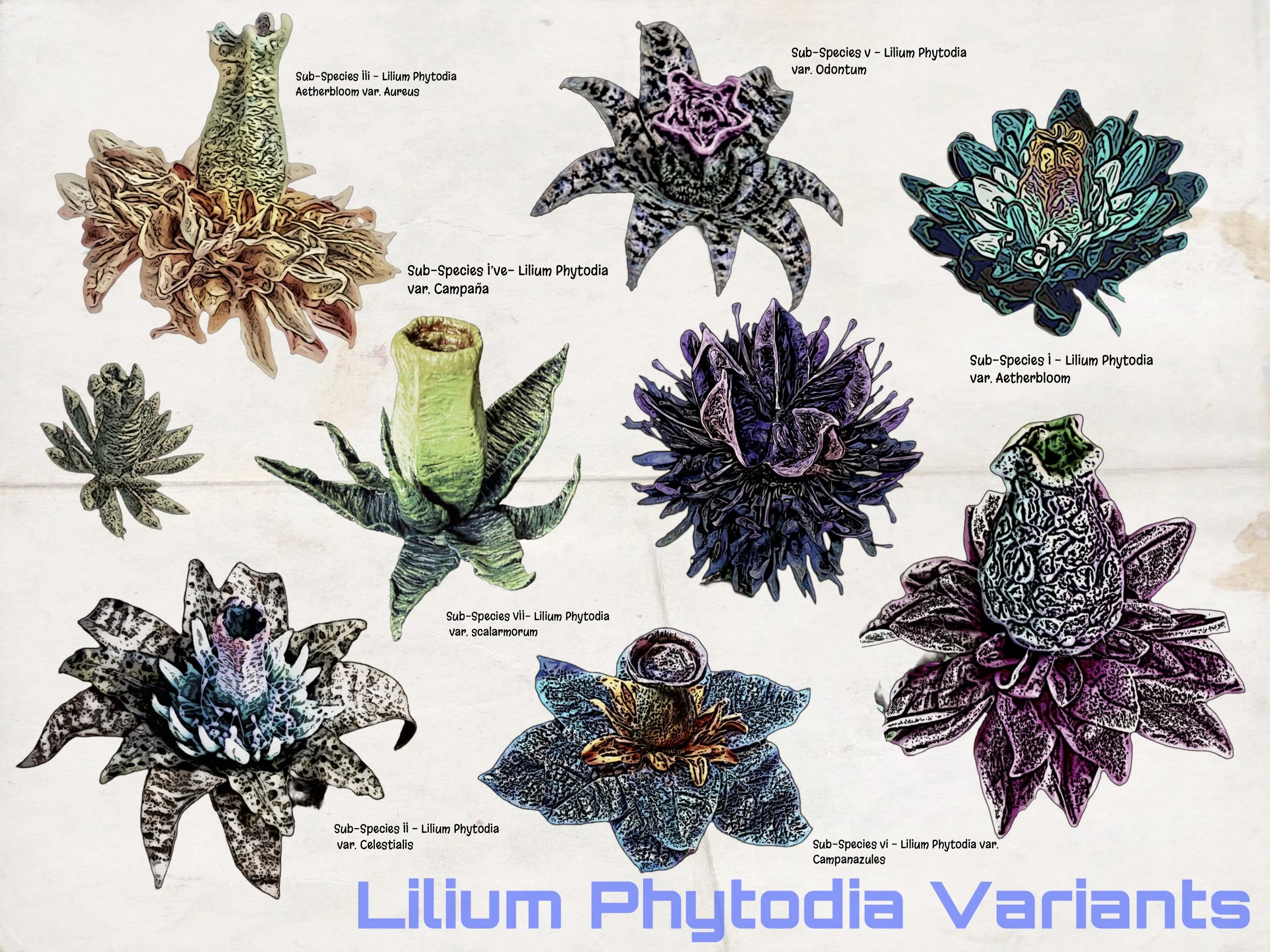
The Deku Lily, scientifically known as Lilium Phytodia, is an enchanting botanical species native to many different regions of Nephrajaal, This captivating plant, presents many distinct sub-species, each boasting unique characteristics that exemplify their remarkable ability to rapidly evolve and adopt new ecological niches in the face of adverse environmental stimuli. For Trans XenoBotanist Berniece Anders who discovered the Species, this draws an important and frankly spiritual parallel with the many dynamic human experiences lived by those in the LGBTQ+ community.

Berniece Anders, Xenobotanist